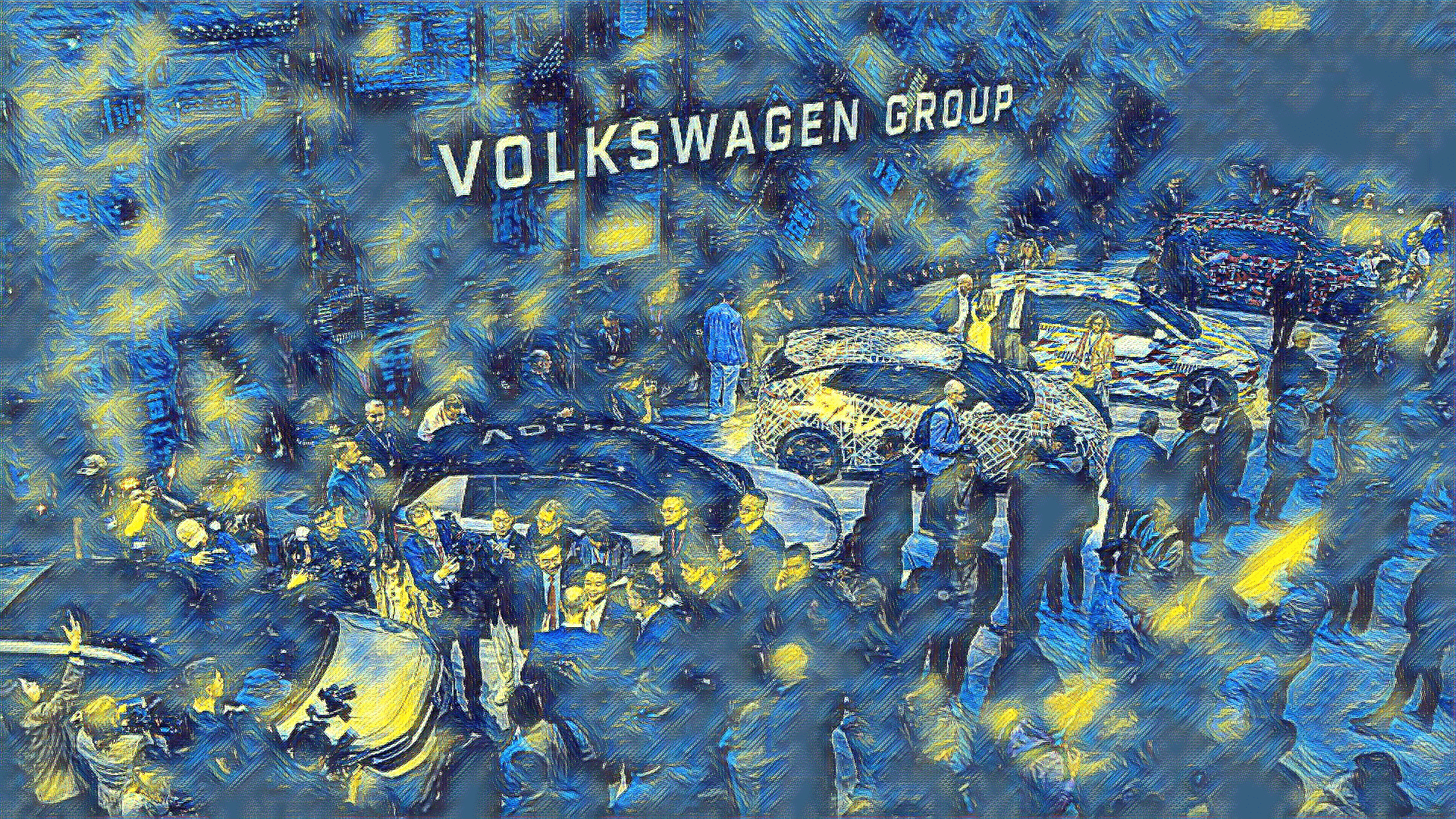
Volkswagen's partnership with Chinese EV maker Xpeng highlights a strategic pivot as China's automotive technology advances, posing a significant challenge to Western automakers' dominance.
Historical Shift in Partnerships
- In 1984, Volkswagen entered China through joint ventures required by local laws.
- Today, collaborations like the Xpeng deal are motivated by the need to access cutting-edge Chinese hardware and software.
Financial Impact and Competitive Pressure
- Volkswagen's 2025 China profits fell 45%, from about $2 billion to $1.1 billion.
- The company cites intense competition from Chinese firms as a primary cause.
- Most non-Chinese automakers are experiencing similar market share erosion in China.
Rise of Software-Defined Vehicles
- Chinese consumers increasingly prefer vehicles with deep digital integration, known as "software-defined vehicles."
- Key features include connectivity, over-the-air updates, and in-car apps for tasks like banking or food delivery via voice commands.
- Volkswagen's current China models lack these capabilities, pushing buyers toward domestic brands.
Analyst Perspective
- Conrad Layson of AutoForecast Solutions notes that Chinese buyers expect vehicles to extend their digital lives, a standard unmet by many Western automakers.
- This trend signals a broader industry shift where software and connectivity define competitive advantage.