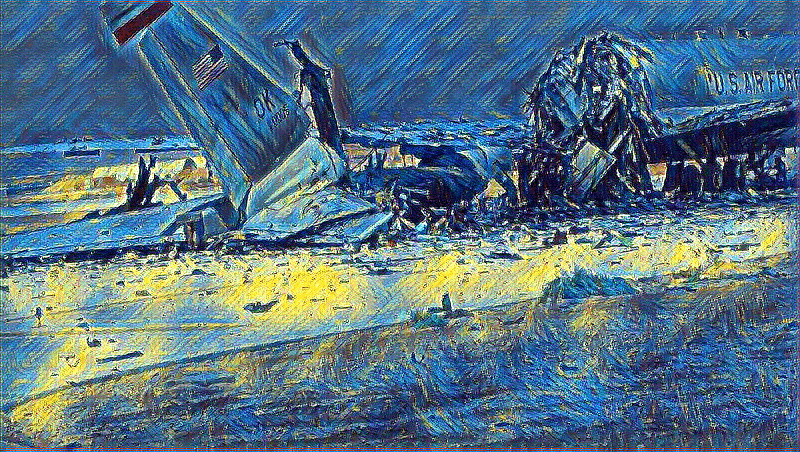
A US Air Force E-3 Sentry airborne warning and control aircraft was destroyed in an Iranian strike on a Saudi air base, severely impacting US surveillance and command capabilities in the region, analysts warn.
Incident Details
- The aircraft was hit in an Iranian attack on Prince Sultan Air Base in central Saudi Arabia.
- Dramatic images, geolocated by CNN, show the tail broken off and the rotating radar dome on the ground.
- The strike also injured at least 10 US service members and damaged a US Air Force tanker aircraft.
- No fatalities were reported.
Impact on US Capabilities
The E-3 Sentry, part of the Airborne Warning and Control System (AWACS), provides critical surveillance and command functions:
- Monitors up to 120,000 square miles of battlespace.
- Tracks around 600 targets simultaneously, including aircraft, missiles, drones, and ground vehicles.
- Enables real-time coordination with commanders, ships, and the Pentagon.
- Directs fighter jets to intercept threats or support ground troops.
Analyst Cedric Leighton, a former US Air Force colonel, stated that the loss is "a serious blow to (US) surveillance capabilities" and could impact the ability to control combat aircraft and protect them from hostile engagements.
Analyst Insights
- Peter Layton, a former Royal Australian Air Force officer, noted that airborne radars like the E-3 can detect threats much earlier than ground-based systems—for example, seeing an incoming drone 200 miles away about 85 minutes sooner.
- Kelly Grieco of the Stimson Center described Iran's attacks as a "counter-air campaign" targeting radars, tankers, and AWACS to degrade US air operations.
- There is suspicion that Iran received targeting assistance from Russia, with Leighton suggesting Russia provided geographic coordinates and satellite imagery.
Fleet Status and Challenges
- The US operates only 17 E-3 aircraft, down from 32 in 2015, with the first entering service in 1978.
- The fleet is aging and faces strain from Middle East operations.
- Each E-3 costs approximately $540 million in today's dollars and requires a crew of four plus 13-19 mission specialists.
- The US Air Force is exploring replacements, but no platform has been finalized yet.
- The Navy's E-2 Hawkeye is not a direct substitute due to smaller size, lower altitude capability, and different operational roles.
Broader Context
- The attack is part of a series of strikes on US infrastructure in the region since the conflict began, including radar and satellite communications sites.
- Analysts emphasize the strategic importance of AWACS as the "quarterback" of the battlefield, providing situational awareness and coordination.
- The vulnerability of the E-3 on the ground highlights force protection concerns, as these assets are typically protected in flight but were exposed at the base.