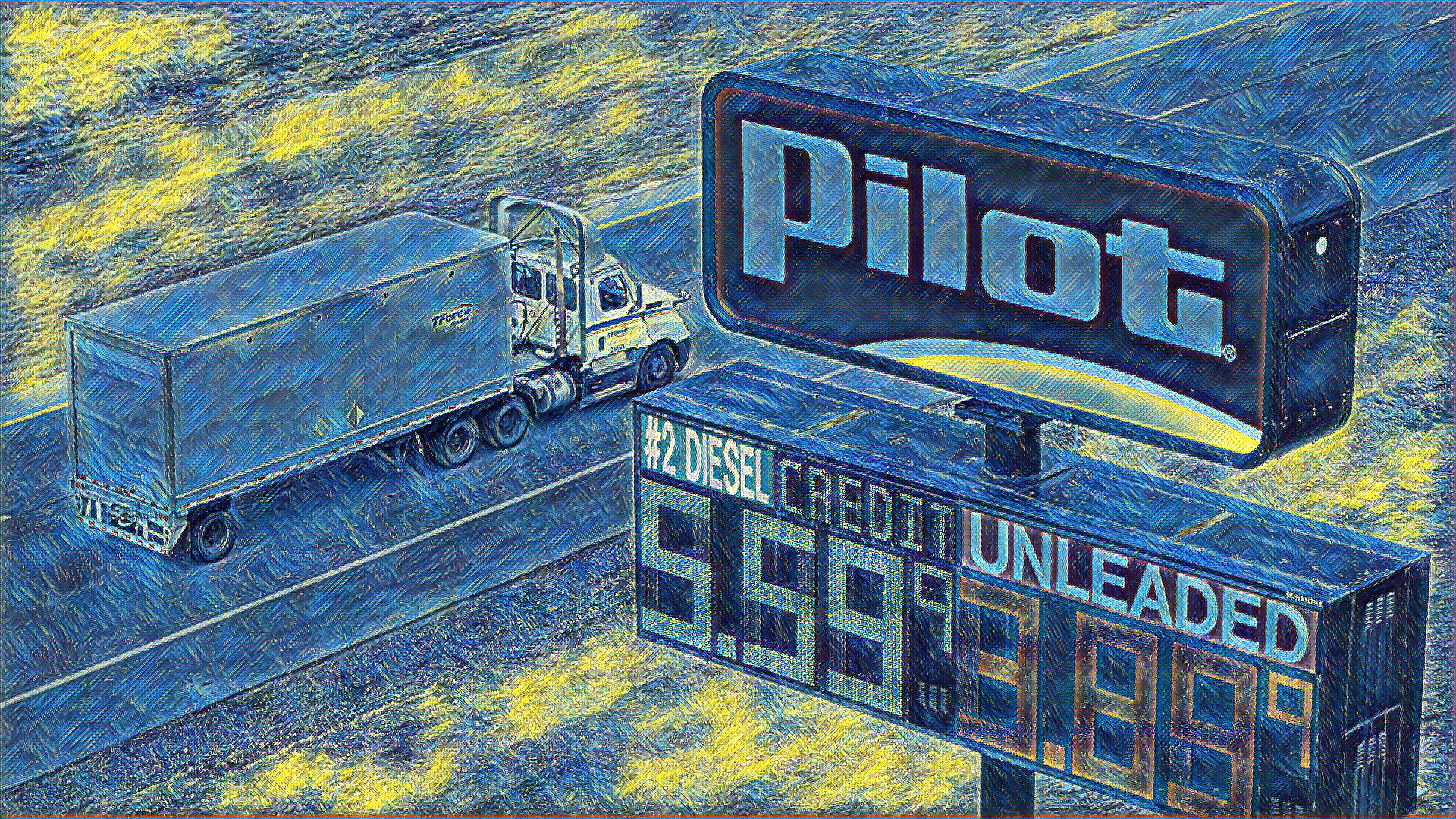
The U.S.-Iran war has sparked a surge in diesel and jet fuel prices, imposing an economic "tax" on American businesses and consumers. Large companies like United Airlines, JetBlue, and Amazon are implementing fuel surcharges, while small firms face margin pressures without similar flexibility. Economists warn of broad cost increases that could reduce consumer spending and economic growth, with the Federal Reserve constrained by inflation concerns. This energy supply disruption is expected to cascade across industries, from transportation to retail, with prolonged effects on the economy.
Ad slot
The U.S.-Iran conflict is driving up diesel and jet fuel prices, creating an economic "tax" that is increasingly burdening American businesses and consumers, with ripple effects across multiple sectors.
Small Businesses Grapple with Margin Pressure
Nick Friedman, co-founder of College Hunks Hauling Junk, describes a "Catch-22" as fuel costs have doubled to 6-10% of revenue since the war began, yet raising prices risks losing customers to cheaper alternatives. His franchise-based moving company, with over 200 locations, faces precarious positions for franchisees.
High mortgage rates and insurance premiums compound operational challenges.
Unlike larger firms, small businesses struggle to implement surcharges without alienating price-sensitive customers.
Major Companies Add Fuel Surcharges
To offset rising costs, large corporations are introducing fees:
United Airlines and JetBlue increased baggage fees this week.
Amazon announced a 3.5% "fuel surcharge" on sellers, calling it "meaningfully lower" than other carriers' levies.
JetBlue stated it regularly evaluates costs to maintain competitive base fares while investing in customer experience.
Ad slot
Economists Warn of Widespread Impact
Daken Vanderburg, chief investment officer at MassMutual Wealth, says higher energy prices act as a tax on consumers, likely reducing discretionary spending.
Short-term conflict may lead consumers to dip into savings; prolonged war could force cutbacks, slowing growth.
The U.S. economy, powered by consumer spending, faces risks as costs cascade through goods and services.
Federal Reserve Faces Policy Constraints
Unlike past crises like Covid or the Great Recession, government tools to mitigate the blow are limited.
The Fed is hesitant to cut rates due to inflation risks from oil prices, though Chair Jerome Powell sees short-term shocks as transitory.
Market expectations initially leaned toward rate hikes amid oil surges, but Powell indicated no immediate change.
Energy Disruption Cascades Through Sectors
Herman Nieuwoudt, president of IFS Energy & Resources, calls this the largest energy supply disruption in modern history, layered on years of volatility.
Costs will gradually rise in manufacturing, agriculture, transportation, and retail over months.
Companies that adapt operations quickly will weather the storm; those relying solely on surcharges may face reckoning in two to three quarters.
Airlines Signal Potential Fare Hikes
Airline executives have hinted at higher fares to cover fuel costs, citing strong demand.
Delta CEO Ed Bastian noted revenue bookings up 25% year-over-year, with room for fare increases if needed.
United CEO Scott Kirby warned of higher airfares amid rising fuel expenses.