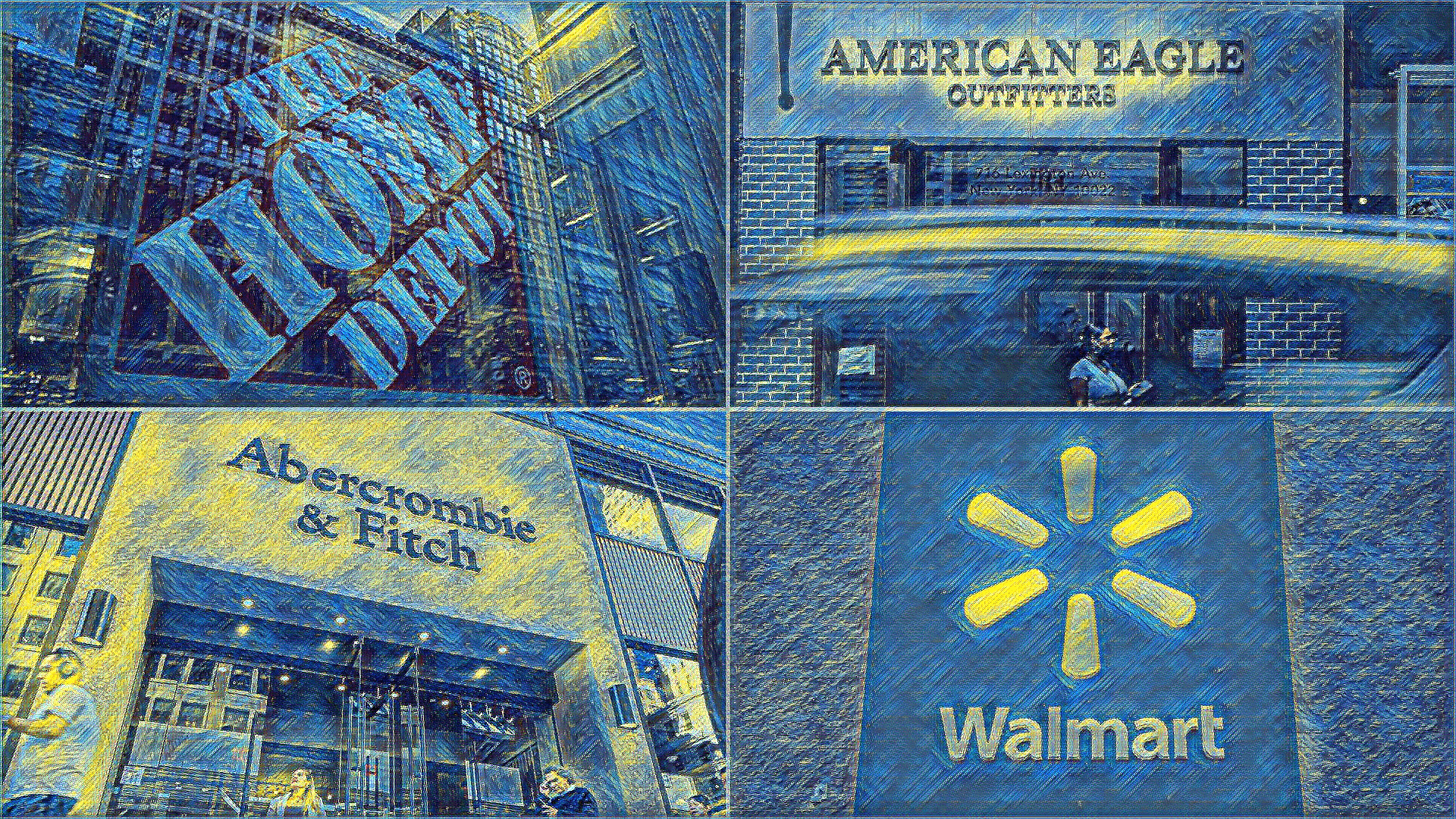
One year after President Donald Trump's sweeping tariff announcements triggered economic volatility, sectors like retail, automotive, consumer goods, and pharmaceuticals continue to navigate supply chain disruptions and cost pressures, even as corporations adapt to an unpredictable trade environment.
Retail
- Mega-retailers such as Walmart and Home Depot have leveraged scale and sourcing diversification to mitigate impacts, while smaller businesses face significant strain.
- Companies including Abercrombie & Fitch and American Eagle Outfitters have incorporated tariff assumptions into financial forecasts, though approaches vary widely.
- Price increases on select items have been implemented, but executives cite enhanced supply chain flexibility as a critical adaptation over the past year.
Automotive
- Major automakers—GM, Ford, and Stellantis—incurred a combined $6 billion in additional costs in 2025, though GM reported lower-than-expected impacts due to tariff "de-stacking."
- Foreign manufacturers like Toyota are increasing U.S. production and exports to align with policy shifts.
- Section 232 tariffs on steel, semiconductors, and aluminum remain in place, continuing to affect industry cost structures.
Consumer Packaged Goods
- Firms such as McCormick and Procter & Gamble faced substantial cost hikes on imported commodities but used sourcing shifts, price adjustments, and cost-cutting to absorb impacts.
- J.M. Smucker absorbed a $75 million margin hit rather than raising prices, citing exclusions for agricultural products like green coffee.
- Aluminum tariffs particularly burdened beverage makers, with Constellation Brands estimating a $20 million earnings impact.
Pharmaceuticals
- The pharmaceutical industry, reliant on imported active ingredients and materials, has experienced tariff-related cost pressures, though specific corporate impacts were not detailed in the available report.