BN
|
PoliticsAI Desk2 views

Trump's TSA Pay Move: $10B Bill Act Funds in Question

President Trump has used an executive order to pay TSA agents with funds from the One Big Beautiful Bill Act's $10 billion border security allocation, bypassing Congress during a DHS shutdown. This action raises legal questions under the Antideficiency Act, with experts divided on its validity, though the administration cites DOJ guidance for discretion. Politically, both parties support TSA pay, but Democrats condemn the lack of transparency and constitutional overreach. The funding could last approximately a year, but legal challenges are hindered by standing issues, reflecting a pattern of Trump's creative funding during shutdowns.

Ad slot
Trump's TSA Pay Move: $10B Bill Act Funds in Question

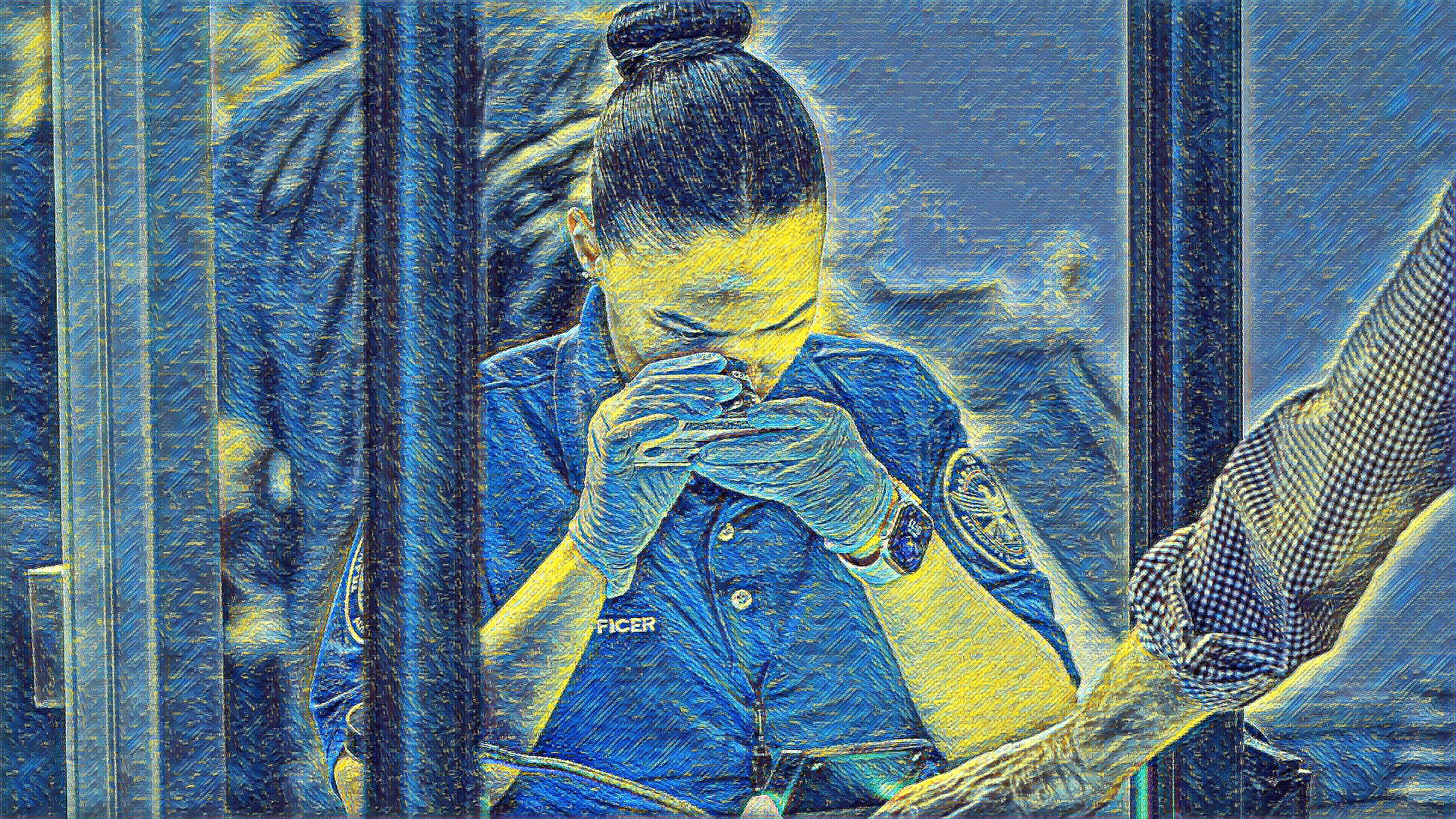
President Donald Trump has directed the use of funds from the One Big Beautiful Bill Act to pay Transportation Security Administration agents, circumventing Congress during a Department of Homeland Security shutdown and igniting debates over legality and budget authority.

Background on the Shutdown and TSA Pay

  • The Department of Homeland Security has been shut down for 41 days due to a funding stalemate in Congress.
  • Long security lines at airports have heightened public pressure to ensure TSA agents are paid.
  • Both Democratic and Republican lawmakers support paying TSA employees but disagree on the process.

Trump's Executive Order

  • Trump ordered the DHS Secretary and White House Office of Management and Budget Director to use funds with a "reasonable and logical nexus to TSA operations" for compensation.
  • The administration framed this as addressing an emergency caused by the shutdown, comparing it to prior military payments during a Democratic-led shutdown.
Ad slot

Source of the Funds

  • The White House confirmed the money comes from the One Big Beautiful Bill Act, a Republican-backed tax and spending bill enacted last year.
  • The specific allocation is a $10 billion provision for "reimbursement of costs incurred in undertaking activities in support of the Department of Homeland Security's mission to safeguard the borders."
  • Budget expert Bobby Kogan described this as a "giant slush fund" but noted it is not unrestricted for any use.

Legal and Constitutional Concerns

  • Critics, including Devin O'Connor of the Center on Budget and Policy Priorities, argue the move likely violates the Antideficiency Act, which bars spending without congressional appropriation.
  • The administration defends its action, citing a Department of Justice memo that grants agencies discretion in using general or lump-sum appropriations.
  • No one has ever been prosecuted under the Antideficiency Act, and legal challenges face hurdles due to lack of standing.

Political and Practical Implications

  • Democrats, while supporting TSA pay, have criticized Trump for not transparently disclosing the funding source and overstepping constitutional boundaries.
  • Congressional action to block the funding is considered unlikely, as it could be perceived as opposing airport security workers' pay.
  • Kogan estimates the $10 billion fund could cover TSA salaries for about a year at a cost of roughly $140 million per week.
  • This follows past instances where Trump tapped unspent funds and private donations to pay federal employees during shutdowns.
Ad slot