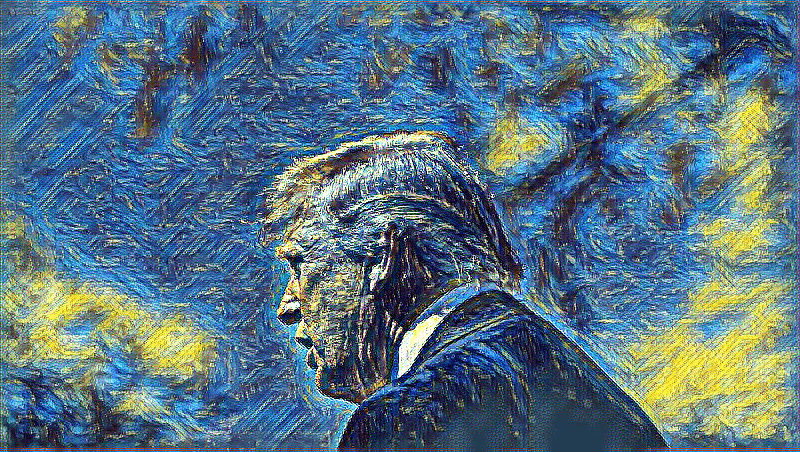
President Donald Trump has issued a new deadline for Iran to agree to a deal and re-open the Strait of Hormuz, threatening to attack all of Iran's civilian infrastructure, which legal experts warn could amount to war crimes.
The Ultimatum and Threats
Trump set an 8 p.m. ET Tuesday deadline for Iran, stating he will strike sites including power plants, bridges, oil wells, and desalination plants if no agreement is reached. He has repeatedly delayed this deadline, initially set two weeks ago, despite little evidence of serious negotiations.
International Law Concerns
- UN spokesman Stéphane Dujarric emphasized that attacks on clearly civilian infrastructure violate international humanitarian law.
- CNN's Fareed Zakaria noted that targeting basic energy infrastructure appears to be a war crime and a breach of the Geneva Convention.
- White House press secretary Karoline Leavitt stated the administration will act within the law, but did not directly refute the war crime allegations.
History of Controversial Statements and Actions
Trump has repeatedly floated or implemented actions that may breach international law:
- Advocated killing families of terrorists in 2015.
- Supported torture and waterboarding in 2016.
- Threatened to target Iranian cultural sites in 2020.
- Joked about disguising US planes to bomb Russia in 2022.
- Recent military actions, such as the double-tap strike on a suspected drug boat and the sinking of an Iranian warship, have sparked legal scrutiny.
- Defense Secretary Pete Hegseth's "no quarter" statement may also violate international law.
Pattern of Normalizing Extreme Threats
Experts observe a pattern where Trump introduces extreme ideas that gradually become normalized, potentially shifting US moral standing and escalating conflict risks.
Implications for US-Iran Relations
Attacking civilian infrastructure could alienate the Iranian public, counter to Trump's unsupported claim that Iranians desire such bombings. The threats may serve as bargaining chips, and with fewer dissenting advisors like former Defense Secretary Mark Esper, the risk of follow-through increases.