BN
|
HealthAI Desk1 views

Trump Immigration Policies Threaten Immigrant Doctors' Jobs in US

The Trump administration's immigration policies, targeting 39 'high-risk' countries, have placed thousands of immigrant doctors in legal limbo, delaying their visa and work permit processes. These doctors, who make up 18% of the US physician workforce and often serve in rural and underserved areas, face job loss and career disruption. The American Medical Association has called for exemptions, citing critical healthcare needs, but USCIS's response has been vague, leading to lawsuits. Residency programs are also impacted, with lower match rates for foreign-born graduates and risks to hospital funding. Doctors like Dr. Faysal Al Ghoula and Dr. Ezequiel Veliz exemplify the personal and professional toll, with some already losing jobs and others fearing deportation. The situation threatens to exacerbate physician shortages, particularly in communities that rely heavily on immigrant healthcare providers.

Ad slot
Trump Immigration Policies Threaten Immigrant Doctors' Jobs in US

Trump administration's immigration policies are creating uncertainty for thousands of immigrant doctors, risking their employment and exacerbating healthcare shortages in rural and underserved areas.

Background on Policy Changes

  • The Trump administration has designated 39 countries as "high-risk," leading to indefinite delays in visa, work permit, green card, and citizenship applications for immigrants from these nations.
  • According to the Cato Institute, approximately 2 million immigration applications are affected, including about 240,000 green card applications.
  • USCIS has paused adjudications for aliens from these countries, citing security vetting concerns, but the process for exemptions remains vague.

Impact on Healthcare Workforce

  • Foreign-born doctors constitute about 18% of the US physician workforce, with an estimated 64% practicing in medically underserved areas.
  • The American Medical Association (AMA) has urged exemptions for physicians, warning that their loss will worsen doctor shortages, particularly in regions with high-need populations.
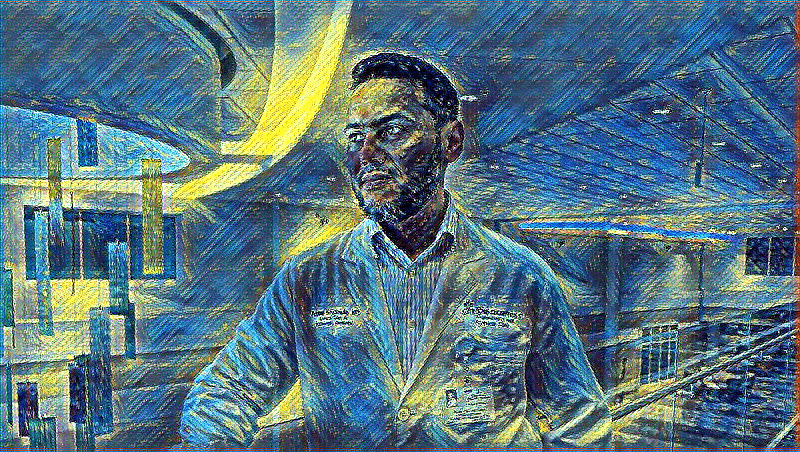
  • Hospitals in rural areas, like Dr. Faysal Al Ghoula's clinic in Indiana, rely heavily on these doctors for critical care.
Ad slot

Personal Stories of Affected Physicians

  • Dr. Faysal Al Ghoula from Libya faces expiration of his work authorization in September, despite being a key pulmonologist in an understaffed region.
  • Dr. Iqbal from Afghanistan, working in a Trump-voting community, risks losing his job when his permit expires in October, with no clear path to residency.
  • Elisa, an Iranian doctor matched into ophthalmology, fears she cannot start her residency due to the freeze, describing daily distress.
  • Dr. Ezequiel Veliz from Venezuela already lost his job in Texas after deportation protections were stripped, leaving a gap in community care.

Legal and Administrative Actions

  • Lawsuits have been filed against USCIS, with one case securing a preliminary injunction for Iranian doctors, though their green card was later denied.
  • USCIS claims an internal process for lifting holds exists, but experts call it vague, and doctors report inability to secure exemptions.
  • Bipartisan legislation has been introduced to exempt doctors, but the administration's stance remains unclear.

Training Programs and Future Concerns

  • Residency programs are affected, with foreign-born graduates facing lower match rates (56% vs. 93% for US graduates) and recruitment restrictions.
  • Medicare funding tied to residency positions is at risk if foreign-born residents cannot join, potentially destabilizing hospital finances.
  • Program directors express anxiety about July start dates, anticipating chaos similar to or worse than 2025.

Conclusion

  • Many doctors are considering relocation to Canada or facing self-deportation, which could lead to significant physician shortages in the coming years.
  • The uncertainty continues to ripple through healthcare systems, with patients in underserved areas most vulnerable.
Ad slot