BN
|
PoliticsAI Desk1 views

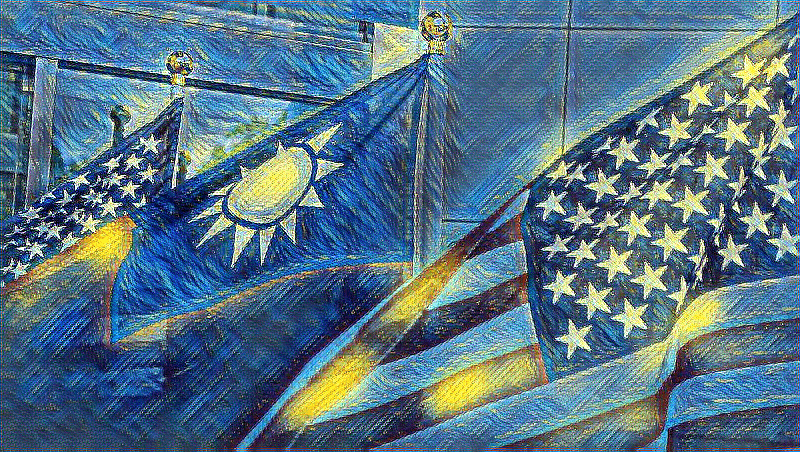
Taiwan's US-China Debate Intensifies Over Iran War Security Impact

The Iran war has reignited Taiwan's debate on security strategy, with KMT Chair Cheng Li-wun's China trip and US senators' push for a $40 billion defense plan highlighting the divide. Analysts warn that US focus on the Middle East could embolden China, raising Taiwan's vulnerability. Political rifts are clear: the DPP favors US-backed deterrence, while the KMT seeks China dialogue to ease tensions. Public opinion largely supports the status quo, with distrust of Beijing persisting. Cheng's visit faces low expectations for substantive outcomes, as Beijing's core policies remain unchanged.

Ad slot
Taiwan's US-China Debate Intensifies Over Iran War Security Impact

Taiwan's security debate has resurfaced amid the Iran war, with KMT Chair Cheng Li-wun's China trip and US senators' defense push highlighting divisions over US reliance versus China engagement.

Resurfacing of the Security Debate

  • The debate reignited during Taiwan's Qingming holiday, questioning whether to rely on US weapons or seek peace with China.
  • Concerns include US arms delivery delays, stockpile depletion, and Trump's transactional alliance approach.
  • The Iran war raises doubts about US capacity to address multiple crises simultaneously.

KMT Chair's Historic China Trip

  • Cheng Li-wun, Kuomintang (KMT) chair, is on a six-day Beijing visit, potentially meeting Xi Jinping.
  • This would be the first meeting between a sitting KMT leader and China's top leader in a decade.
  • Cheng frames it as a peace-making effort: "War is not destined across the strait... ushers cross-strait relations into a gentle and warm spring."
Ad slot

US Senators Urge Defense Funding

  • A bipartisan US Senate group visited Taipei to urge passage of President Lai Ching-te's $40 billion defense plan.
  • Senator Jeanne Shaheen emphasized the need for "robust supplementary defense spending."
  • Senator John Curtis stressed showing Taiwan is "carrying its weight" to US colleagues.

Iran War's Strategic Implications

  • Prolonged US military focus on the Middle East could lessen pressure on China in the Indo-Pacific.
  • William Yang of the International Crisis Group notes US may divert attention, resources, and ammunition.
  • This might increase Taiwan's exposure to Beijing's military and political pressure.

Deepening Political Divides

  • The ruling DPP advocates strengthening US ties and deterrence; the KMT promotes dialogue with China to reduce tensions.
  • The dispute has stalled Lai's defense plan in the opposition-controlled legislature, with KMT internal splits on spending.
  • Professor Lev Nachman notes DPP links security to US relations, while KMT sees engagement as risk reduction.

Public Sentiment and Future Outlook

  • Most Taiwanese favor maintaining the status quo and avoiding conflict, with low unification support.
  • Cheng rejects choosing between US and China: "Taiwan wants it all."
  • Voters express skepticism; Ms. Chiang expects only "short-term softening" with no change in Beijing's fundamental stance.
  • Beijing uses military incursions and disinformation to pressure Taiwan, engaging KMT via the 1992 consensus while isolating the DPP.
Ad slot