BN
|
PoliticsAI Desk1 views

Taiwan Bolsters Defenses as Citizens Plan Escapes from China Threat

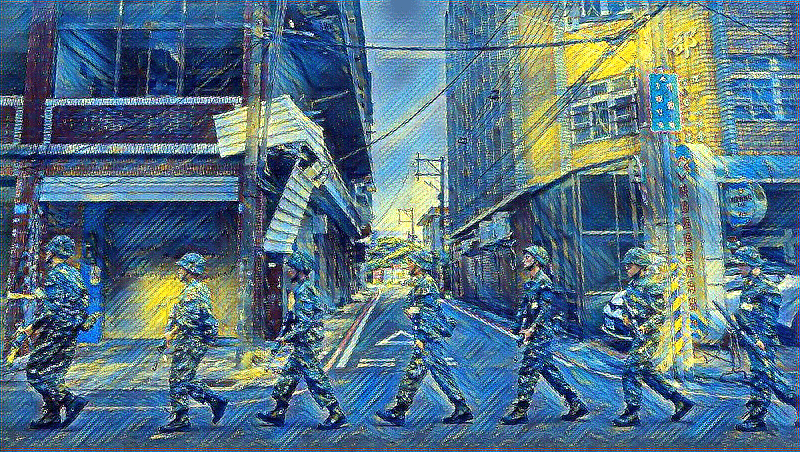
Amid rising Chinese military aggression, Taiwan has significantly boosted its defense posture through increased spending, extended conscription, and civil defense initiatives. Concurrently, some citizens are pursuing escape plans by securing overseas assets, second passports, and foreign property, driven by fears of conflict. Public opinion on resisting an invasion varies widely in surveys, from 15% to 80% willingness to fight, reflecting deep uncertainty. The U.S. has expressed support via arms deals and diplomatic visits but remains non-committal on direct military aid. Immigration consultants note a surge in Taiwanese seeking risk diversification, highlighting the island's complex interplay between deterrence and personal contingency planning in a volatile geopolitical landscape.

Ad slot
Taiwan Bolsters Defenses as Citizens Plan Escapes from China Threat

As China escalates military pressure, Taiwan is enhancing its defense capabilities while a growing number of citizens quietly secure overseas assets and second passports, underscoring widespread contingency planning amid geopolitical tensions.

Taiwan's Defense Enhancements

  • Increased defense spending and extended mandatory conscription from four months to one year.
  • Revamped combat exercises and civil defense training, including official guides and drills for disaster scenarios.
  • President Lai Ching-te proposed a $40 billion arms deal with the U.S., facing local opposition and Beijing's protests.

Individual Preparedness and Escape Strategies

  • Nelson Yeh, a Taipei finance worker, moved one-fifth of his wealth to Singapore and obtained Turkish citizenship for his family to ensure emergency access and travel freedom.
  • Others are opening foreign bank accounts and seeking second passports from countries like Turkey, St. Lucia, and the UAE to diversify risk.
  • Immigration consultants report surging inquiries, with 70% of clients citing geopolitical worries, particularly for property in Thailand, Cambodia, and Malaysia.
Ad slot

Geopolitical Context and Historical Parallels

  • China under Xi Jinping has intensified live-fire drills and simulated blockades, citing sovereignty claims over Taiwan.
  • Slogans like "Today Hong Kong, Tomorrow Taiwan" and "Ukraine Today, Taiwan Tomorrow" reflect fears of similar aggression, inspired by Hong Kong's crackdown and Russia's invasion of Ukraine.
  • U.S. senators visited Taiwan to support defense spending, but President Trump has not committed to military aid if China attacks.

Public Opinion on Resistance vs. Flight

  • Surveys indicate wide variance in willingness to fight, ranging from 15% to 80% since 2017.
  • A 2025 Duke University survey found 37% would "go with the flow," 17% support government decisions, 11% would flee, and 20% would resist or join the military.
  • Analysts note that perceived public resolve could influence Chinese and U.S. policy calculations.

Immigration Trends and Practical Challenges

  • Real estate agents in Bangkok and Cambodia report increased Taiwanese investments as geopolitical hedges.
  • Some consider Malaysia for boat access if airports are targeted, while others explore Portugal and Malta for visas.
  • Consultants caution that escape during conflict may be difficult without military assistance, and quick passport schemes face logistical hurdles.

U.S. Role and International Dynamics

  • The U.S. is obligated under legislation to sell Taiwan defensive weapons but maintains strategic ambiguity on direct intervention.
  • Trump and Xi are expected to discuss Taiwan during a May visit, adding uncertainty to regional stability.
  • Taiwan's civil defense efforts emphasize the importance of public resilience to deter potential invasion.
Ad slot