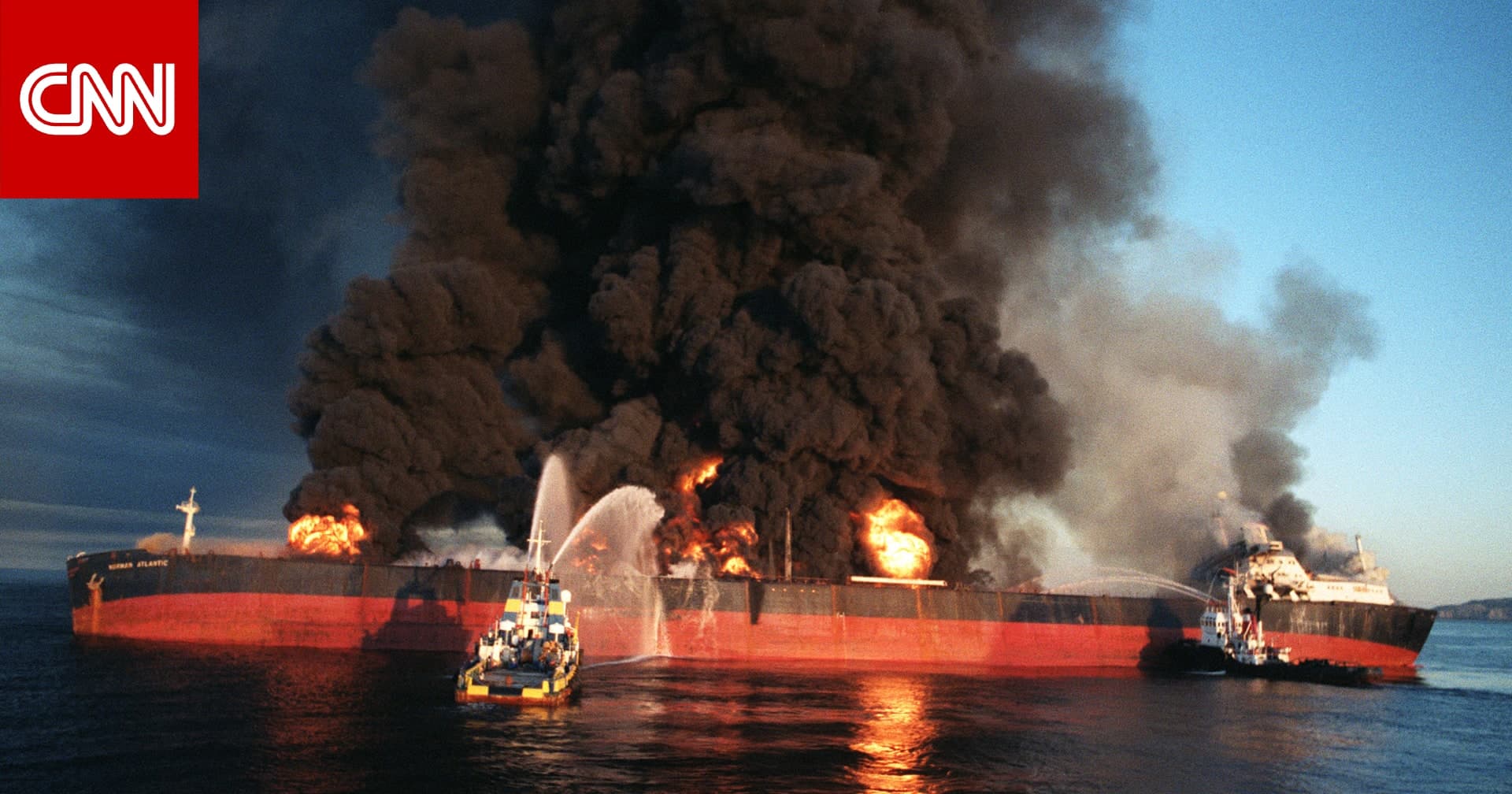
As President Donald Trump reviews plans for US Navy warships to escort oil tankers through the Strait of Hormuz, military analysts highlight striking parallels to the 1980s 'tanker war,' warning of potential escalation due to Iran's asymmetric threats and US vulnerabilities in mine warfare.
Current US Naval Escort Proposal
President Trump is considering orders for the US Navy to provide armed escorts for commercial oil tankers traversing the Strait of Hormuz, a strategic chokepoint for global oil supplies. This move responds to Iranian threats to close the strait amid ongoing regional tensions, sparking debates about operational risks and historical precedents.
Historical Context: The 1980s Tanker War
The 'tanker war' originated during the Iran-Iraq War (1980-1988). After a stalemate emerged in 1984, Iraq targeted Iranian oil tankers to damage Iran's economy and draw international intervention. Iran retaliated by attacking neutral merchant vessels, especially those supplying Iraq via Kuwait.
- Key Developments:
- Iraq employed aircraft with anti-ship missiles against Iranian oil infrastructure.
- Iran focused on disrupting shipping in the Persian Gulf, leading to widespread maritime violence.
US Intervention: Operation Earnest Will
In 1987, the US launched Operation Earnest Will to protect Kuwaiti tankers after Kuwait sought foreign assistance. The US reflagged Kuwaiti vessels under the American flag, enabling naval escort under federal law.
- Deployment: US Navy and Coast Guard ships were extensively deployed to the Gulf.
- Immediate Threats: US forces encountered dangers even before escort missions began, including the risk of mines and misidentification.
Critical Incidents: USS Stark, Bridgeton, and USS Samuel B. Roberts
Several events exposed the hazards of the operation:
- USS Stark Attack (May 17, 1987): An Iraqi aircraft mistakenly launched Exocet missiles at the US frigate, killing 37 crew members and injuring 21. The ship survived but sustained severe damage from fires and explosions.
- Bridgeton Mine Strike (July 24, 1987): The reflagged tanker Bridgeton hit an Iranian contact mine. Though damage was minimal, the incident was humiliating as US escorts trailed behind, effectively using the tanker as a makeshift minesweeper.
- USS Samuel B. Roberts Mine Strike (April 14, 1988): The frigate struck an Iranian mine laid overnight, creating a 15-foot hole in its hull. The crew used steel cables to hold the ship together, with only ten injuries, but the event highlighted US mine-clearing shortcomings.
Operation Nimble Archer: A Historic Naval Engagement
In response to the mine attack on USS Samuel B. Roberts, the US executed Operation Nimble Archer on April 18, 1988. This involved missile strikes on Iranian oil platforms and a surface battle where US ships destroyed an Iranian patrol boat with missiles.
- Significance: Historian Craig Symonds ranked it among the top five US naval battles, demonstrating American technological prowess and integrated military operations. It cemented US naval dominance with precision strikes and real-time decision-making.
Modern Threats: Iran's Evolving Capabilities and US Limitations
Today, Iran employs advanced unmanned aerial vehicles (UAVs) and continues to deploy mines in the Strait of Hormuz. US mine-clearing capabilities have significantly declined since the 1980s.
- US Asset Shortages: The Navy has few dedicated minesweepers; four were decommissioned recently, and others are often unavailable. Allies have pledged general support but no specific military assets have been committed.
- Psychological and Operational Impact: Experts note mines impose a 'terrifying psychological effect,' restricting naval movements and limiting US strike options against Iran.
Expert Warnings: Avoiding Past Mistakes
Military historians and analysts caution that the US may neglect lessons from the 1980s, particularly regarding mine warfare.
- Samuel Cox (Naval History and Heritage Command): Documented historical events and emphasized the rapid escalation risks.
- Quentin Zimmer (Marine Corps): Highlighted that mine-clearing is often the first budget cut, relying on allies for this critical task.
- Carl Schuster (Former US Pacific Command Intelligence): Stated that mines constrain US naval operations in the Gulf, affecting offensive capabilities.
- Frank Coles (Maritime Consultant): Asserted, 'History repeats itself,' noting that tanker escorts were essential in the 1980s but appear absent from current planning.
Conclusion: Balancing Risks and Preparedness
The parallels between the 1980s and present are pronounced. With Iran's enhanced asymmetric arsenal and US reductions in mine-clearing assets, the potential for miscalculation in the Strait of Hormuz remains high. Experts urge comprehensive planning to address these vulnerabilities and prevent a repeat of historical escalations.