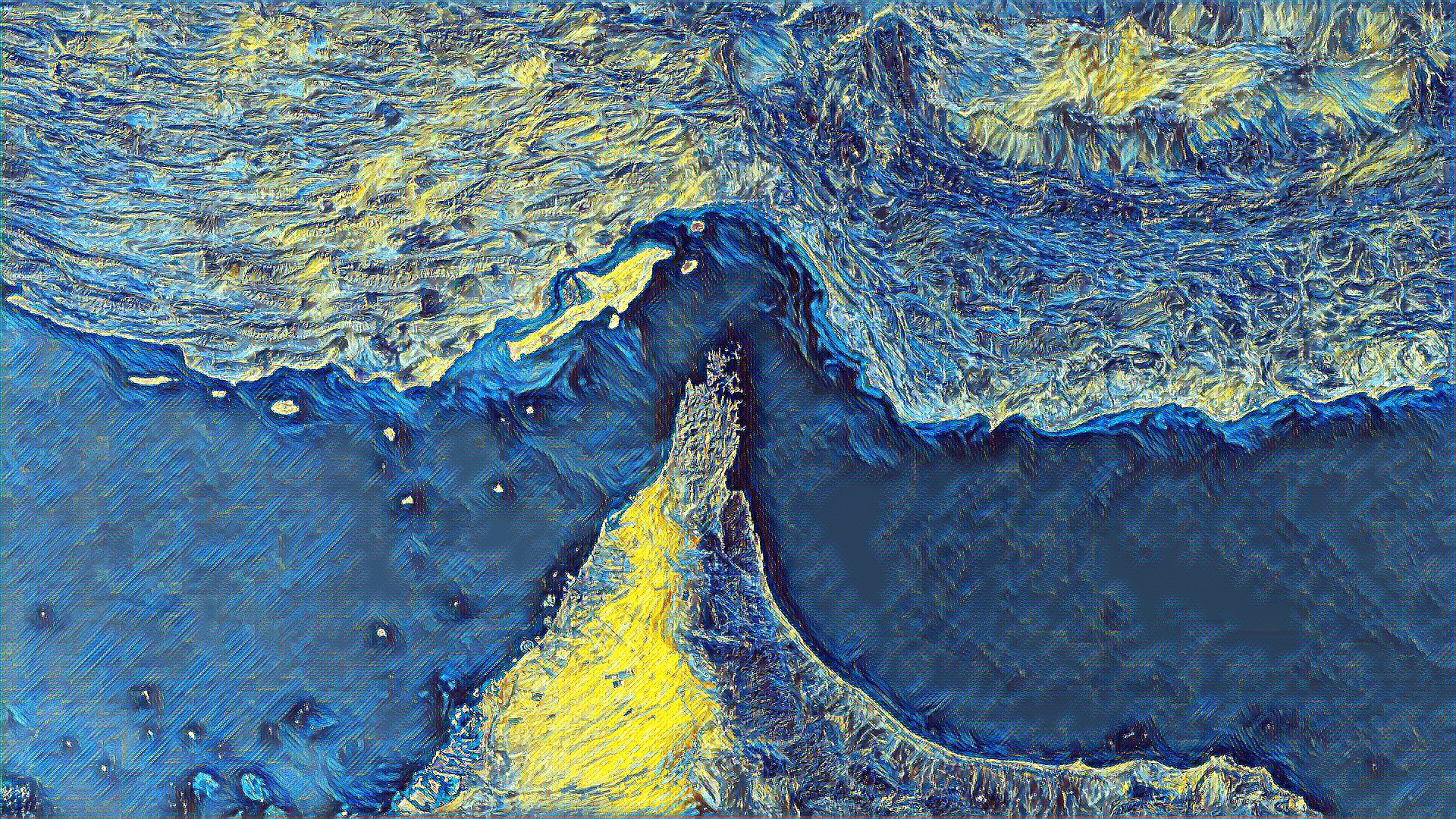
Citrini Research, a Wall Street firm, reports that its analyst observed ongoing oil shipments through the Strait of Hormuz, with Iran selectively allowing passage rather than imposing a full blockade.
Introduction
Citrini Research dispatched an anonymous analyst to Oman's Musandam Peninsula to directly observe shipping activity in the Strait of Hormuz amid U.S.-Iran tensions. The firm's Substack post challenges market narratives of a complete shutdown, based on on-ground observations and local interviews.
On-Ground Observations
The analyst's trip revealed:
- Roughly 15 vessels, including tankers, transit the strait daily.
- Shipping volume has accelerated recently, especially via the Qeshm channel.
- Insights were gathered through conversations with fishermen, smugglers, and regional officials.
AIS and Shipping Data
Many ships deactivate their Automatic Identification System (AIS) transponders, leading to underreported traffic in official data. Citrini asserts that actual volume is higher due to vessels operating "dark" to avoid detection.
Iran's Selective Passage
Interviews indicate Iran requires tankers to obtain approval before transiting near its waters, establishing a "functional checkpoint" system. This allows selective passage instead of a total blockade.
Market Implications
The firm forecasts a prolonged disruption embedding a permanent risk premium in oil markets. Citrini prefers longer-dated crude contracts, like December 2026 WTI, expecting traffic to reach 50% of pre-conflict levels within 4-6 weeks.
Limitations and Verification
Findings stem from a single field trip and anecdotal accounts, which are hard to verify independently due to regional opacity. Citrini did not respond to CNBC's request for comment.