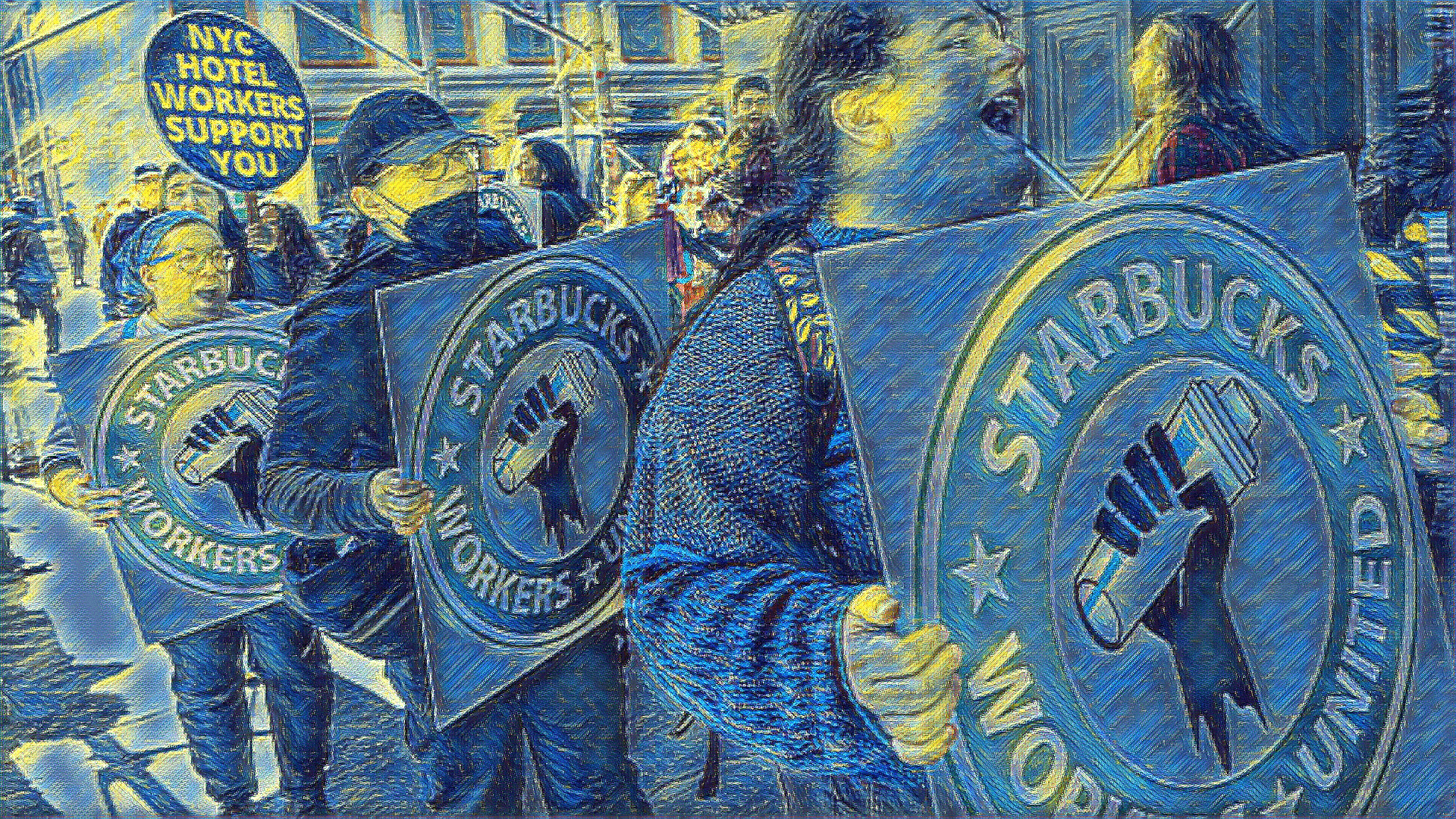
Starbucks Workers United has submitted a comprehensive proposed contract to Starbucks, demanding a $17 hourly minimum wage and 4% annual raises, along with enhanced worker protections, as direct negotiations are scheduled to resume on March 30.
Union's Core Demands
- Protections for union baristas against discrimination, unjust firings, and temporary or permanent store closures.
- Starting wage floor of $17 per hour, reduced from a prior $20 demand but above Starbucks' current range of $15.25 to $16 in 43 states.
- Annual wage increases of 4%.
- A formal process for resolving workforce grievances involving baristas, management, and union representatives.
- A dress code endorsed by the union.
- Mandatory minimum of three workers on the floor at all times, with enforceable staffing and safety measures.
- Requirement to offer open hours to existing employees before hiring new baristas.
- Resolution of hundreds of outstanding unfair labor practice charges.
Starbucks' Response and Negotiation Status
- Starbucks has not yet responded to the substantive details of the proposal but proposed restarting in-person bargaining on March 30, with availability for continued talks in April.
- Formal negotiations stalled in December 2024; mediation efforts in April failed after barista delegates rejected the company's economic package.
- Workers United represents approximately 6% of Starbucks' company-owned U.S. locations, per regulatory filings.
Context: Strikes and Shareholder Scrutiny
- An open-ended strike involving baristas in over 40 cities occurred during the 2024 holiday season, causing dozens of temporary store closures, though Starbucks reported no material business impact.
- The labor dispute will be a focal point at Starbucks' annual shareholder meeting on March 25, where investors led by SOC Investment Group are urging votes against re-electing directors Jørgen Vig Knudstorp and Beth Ford over labor oversight concerns.
- Proxy firm Glass Lewis recommended voting against Ford, chair of the governance committee.
Business and Reputational Risks
- The prolonged conflict poses potential obstacles to Starbucks' efforts to revive its sluggish U.S. business, which saw a rare store traffic increase in the recent holiday quarter.
- In its annual filing, Starbucks highlighted risks including further work stoppages, harm to its reputation, and brand damage from extended labor disputes.