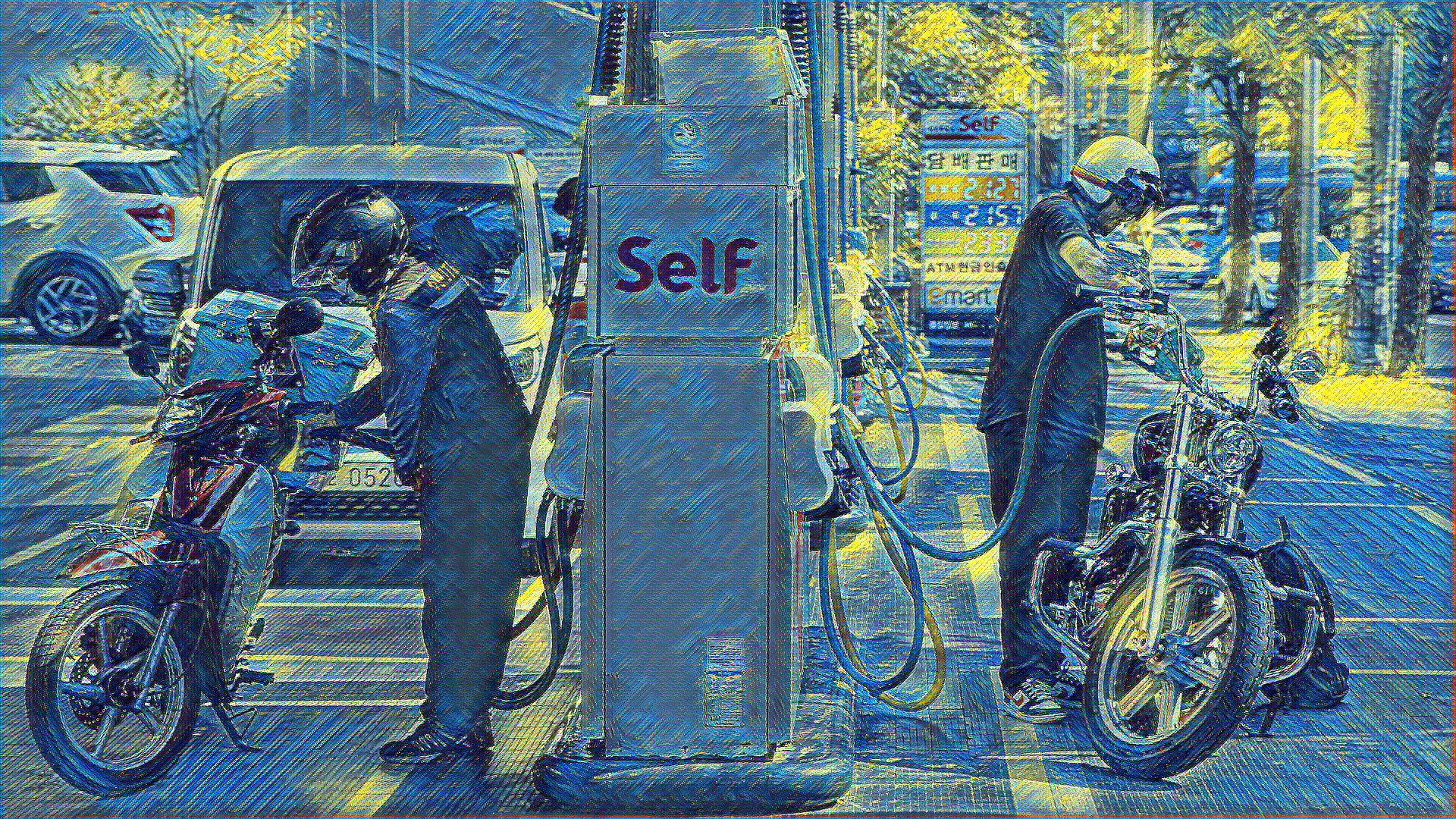
South Korea has intensified emergency economic planning due to the escalating Iran oil crisis, with Prime Minister Kim Min-seok warning of preparations for 'worst-case scenarios' as the Strait of Hormuz remains closed.
Government Mobilizes Emergency Task Force
- Prime Minister Kim Min-seok announced an emergency economic task force, led by the prime minister, to coordinate cross-ministerial responses.
- The task force will meet twice weekly across five working groups focusing on energy, macroeconomy, financial markets, household livelihoods, and overseas monitoring.
- An emergency economic situation room will be established at the presidential office, per President Lee Jae-myung's instructions.
Energy Dependence on Middle East
- South Korea imports approximately 70% of its crude oil and 20% of its liquefied natural gas from the Middle East.
- The Strait of Hormuz, closed by Iran since February 28, carries one-fifth of global energy flows and is critical for South Korea's supply chains.
Market Disruptions and Inflation Risks
- The closure has rattled global energy markets, causing price surges and reigniting inflationary pressures.
- South Korea has imposed a fuel price cap for the first time in nearly 30 years to contain energy costs.