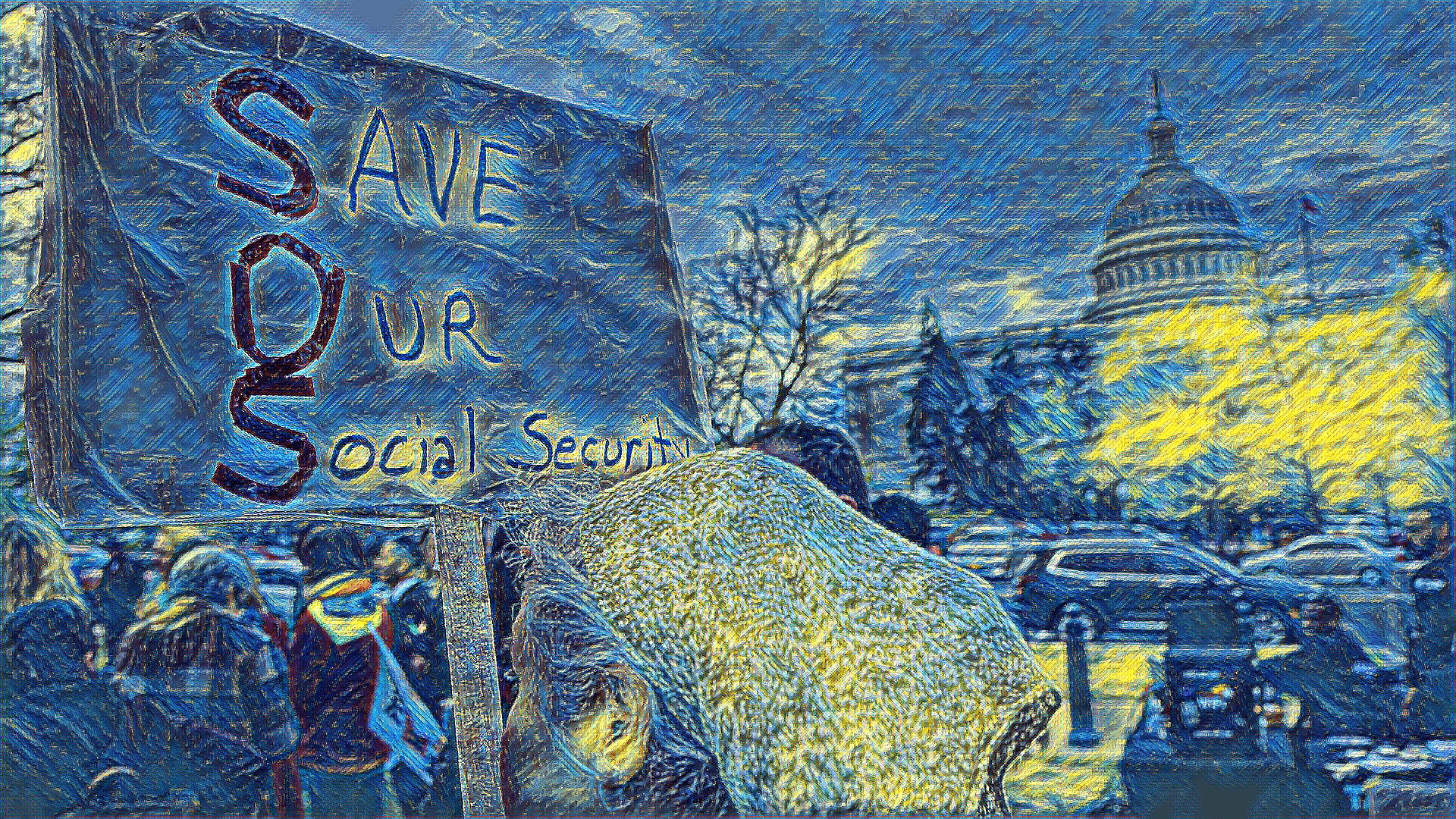
If Congress fails to address Social Security's funding shortfall, beneficiaries could face a 24% cut in benefits by 2032, according to expert projections. Various contingency plans are being discussed to soften the blow, but uncertainty is already influencing retirement decisions.
The 2032 Trust Fund Depletion
The Social Security Administration projects that the trust fund supporting retirement, survivor, and disability benefits will be exhausted by 2032. As a pay-as-you-go system, it relies on ongoing payroll taxes, meaning benefits would continue at a reduced level if no legislative changes are made by the depletion date.
Consequences of Inaction
Without congressional intervention, experts warn of an automatic across-the-board benefit cut of approximately 24% for all beneficiaries when the trust fund runs dry. This scenario is considered likely due to historical patterns of legislative delay, such as reactions to recent federal government shutdowns.
Expert-Proposed Contingency Plans
To avoid uniform reductions, policymakers are considering alternatives that target specific groups:
- Combining Trust Funds: Merging the retirement and disability trust funds could extend solvency to 2034, allowing 81% of scheduled benefits to be paid.
- Targeted Cuts Based on Age and Wealth: Proposals include reducing benefits for beneficiaries aged 62 to 74 with net worth above certain thresholds (e.g., $470,400 in 2025 dollars), while exempting disability recipients and those with lower assets.
- Benefit Caps: Plans like capping monthly benefits at $2,050 (based on 2024 dollars) would affect higher-income recipients, protecting about half of beneficiaries from reductions and potentially limiting poverty increases.
Impact on Beneficiary Decisions
The projected shortfall is affecting when Americans claim Social Security retirement benefits. Surveys show that some individuals are adjusting their claiming strategies—such as claiming earlier or later—due to the uncertainty, as these decisions permanently affect monthly payment amounts.
Implementation Challenges
Any contingency policy would require accurate data sharing between agencies like the Social Security Administration and the IRS. Experts note that borrowing to bridge gaps could risk negative market reactions if not sustainable long-term.