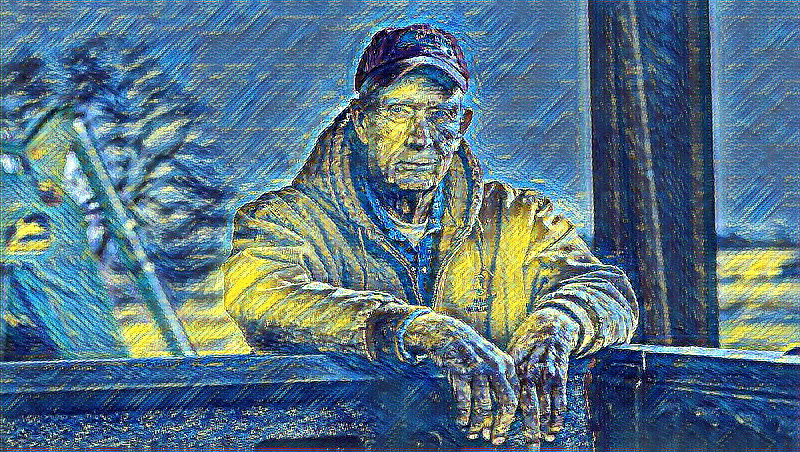
Rural cancer patients across America endure grueling journeys for treatment, with some driving equivalent to a weekly round-trip to San Francisco, highlighting a severe healthcare access gap in non-urban areas.
The Distance Barrier
Rural cancer patients often travel hundreds of miles for care. Studies show they are about 9% more likely to die from cancer compared to urban patients, partly due to later diagnoses and transportation challenges. Andy Henard, a 76-year-old Texan, initially faced an 8-hour, 500-mile drive to MD Anderson in Houston for his stage IV bladder cancer treatment.
A Local Solution Emerges
At Childress Regional Medical Center, a small infusion center opened in 2013 after a community loss. Terry Olay, a coordinator who died of cancer, had driven 100 miles for her own treatment and urged the hospital to act. Dr. Fred Hardwicke, an oncologist, began visiting from Texas Tech and eventually moved full-time, enabling local chemotherapy and immunotherapy for patients like Henard. The center now has 10 infusion chairs and a dedicated team.
National Decline in Rural Cancer Services
Key statistics illustrate the crisis:
- 448 rural hospitals ceased chemotherapy services between 2014 and 2024.
- Rural areas have only 2.2 oncologists per 100,000 people, versus 6.6 in urban areas.
- By 2037, rural regions are projected to have just 29% of the oncologists needed.
- Texas has seen the highest number of service cuts.
Root Causes of the Crisis
Multiple factors contribute:
- Financial strains: Small practices can't absorb costs from uninsured patients or expensive drugs (some treatments cost $300,000).
- Complexity of care: Modern oncology requires multidisciplinary teams, increasing operational demands.
- Workforce shortages: Early-career oncologists are half as likely to choose rural practice, and many small private groups have merged with larger systems.
Efforts to Bridge the Gap
Innovations are emerging:
- Texas Tech and Childress demonstrate a successful model of rural oncology care.
- In Washington, Confluence Health opened a radiation site but struggled to hire staff, resorting to training local employees.
- Congress authorized $50 billion in rural health grants, but this falls short of projected $140 billion losses from Medicaid changes.
Patient Outcomes and Community Impact
Andy Henard completed two years of infusions at Childress and is now cancer-free. He recalls a heartfelt send-off with staff and community members ringing bells. However, many rural patients lack such access; some must forgo advanced treatments like proton therapy due to distance.
Looking Forward
With Medicaid cuts expected to increase uninsured rates and 40% of rural hospitals already operating at a loss, the future is precarious. Experts warn that without sustained investment and policy changes, rural cancer care will continue to deteriorate, leaving millions with limited options.