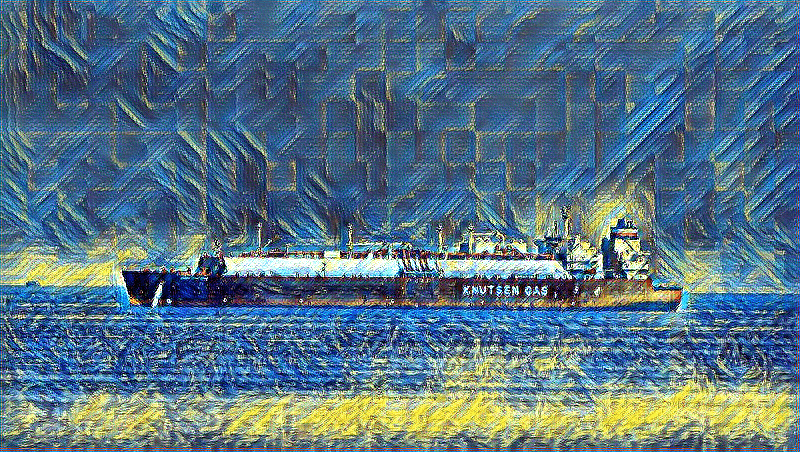
Recent attacks on commercial vessels in the Middle East have virtually closed the critical Strait of Hormuz to oil tankers, forcing producers to seek alternative routes. One key alternative via the Red Sea is now under threat from Iran and Houthi militants, potentially disrupting global oil supply and driving prices higher.
Closure of Strait of Hormuz
Attacks on commercial ships in the Middle East since February 2024 have effectively shut down the Strait of Hormuz for oil tankers, upending the oil market. Saudi Aramco, the world's largest oil producer, has redirected millions of barrels of crude daily through a west-east pipeline to the Red Sea port of Yanbu.
- Daily oil loads at Yanbu port have more than doubled this month compared to last year's average, based on data from Kpler, a trade analytics firm.
- The pipeline can transport up to 7 million barrels per day, offsetting some of the 15 million barrels typically flowing through Hormuz.
New Threats to Red Sea Route
Even this lifeline is now at risk. Iran has labeled U.S. naval facilities in the Red Sea as "potential targets," citing the presence of the USS Gerald R. Ford carrier group. Meanwhile, Iran-backed Houthi rebels have attacked ships in the Red Sea since late 2023 in retaliation for the Israel-Hamas war.