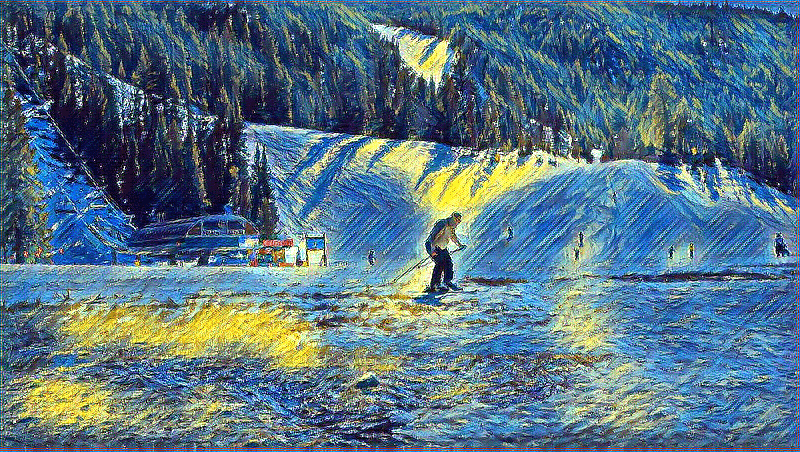
A record-breaking March heat wave has melted the already scant snowpack across the western United States to historic lows, with satellite imagery clearly documenting the rapid decline. This sets the stage for a severe summer, raising risks of wildfires and water shortages in a region heavily reliant on mountain snow.
Unprecedented Heat Drives Early Snowmelt
- A heat wave with temperatures up to 30 degrees above normal began two weeks ago, peaking with the warmest March on record in the U.S. and persisting with record temperatures.
- The snowpack, which typically peaks in early April, likely reached its maximum in the first week of March—about a month earlier than normal—due to persistent warmth.
- Even with some forecasted snow, the already low snowpack and ongoing heat make significant recovery unlikely.
Satellite Imagery Highlights Stark Decline
- In Colorado's Rocky Mountains, comparisons between March 2016 (normal) and March 2026 (record low) show dramatic snow loss.
- In California's Sierra Nevada, snow cover dropped from 52% on March 1 to 21% on March 24, with snow water equivalent at just 22% of the average for the past month.
- Similar patterns observed in Utah's Wasatch Range, with NASA Worldview data providing visual evidence.
Water Supply Concerns Intensify
- The Colorado River basin's snow water equivalent is at its lowest recorded level in both upper and lower basins.
- The river supplies water to over 35 million people, industries, and agriculture across seven states.
- Early snowmelt reduces water availability in summer months, exacerbating long-standing drought and contentious water negotiations.
Climate Change Identified as Key Driver
- Scientists from World Weather Attribution state the March heat wave would be "virtually impossible" without human-caused global warming.
- Winter is warming fastest in much of the U.S., leading to overall reduced snowpack, earlier peaks, and worsening forecasts for rivers like the Colorado.
- This trend is expected to increase the frequency and severity of low snowpack events as planetary heating continues.