BN
|
PoliticsAI Desk1 views

No Kings Rallies: Americans Nationwide Explain Their Protest

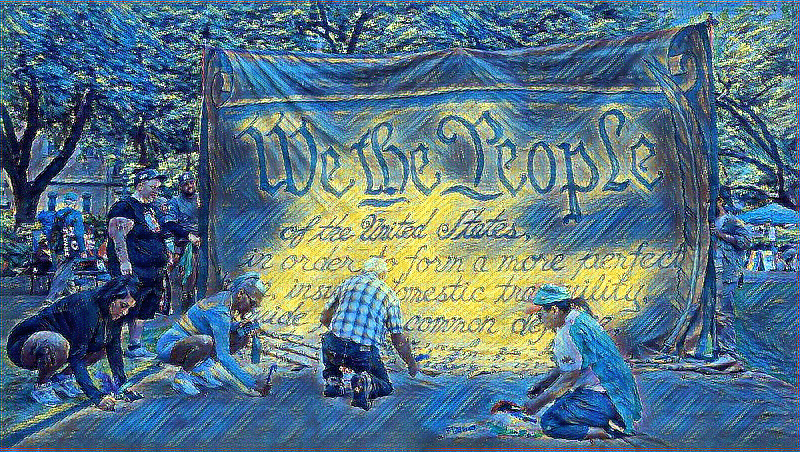
The 'No Kings' protests spanned all 50 U.S. states and several European countries on Saturday, marking the third such event in 2024. Thousands gathered to oppose President Trump's policies, citing threats to democracy, immigration enforcement, economic inequality, and foreign wars. The rallies were mostly peaceful, with minor incidents leading to 75 arrests in Los Angeles. The White House dismissed the protests as insignificant, while celebrities and politicians voiced support. Organizers highlighted broad participation, including in Republican-led states, underscoring widespread dissent. Demonstrators shared personal narratives, from historical injustices to current grievances, reflecting a diverse coalition.

Ad slot
No Kings Rallies: Americans Nationwide Explain Their Protest

Nationwide "No Kings" protests drew thousands across all 50 U.S. states and several European countries on Saturday, marking the third such event this year. Demonstrators cited concerns over democracy, immigration policies, economic inequality, and foreign wars, with events largely peaceful despite minor clashes.

National Reach and Organization

  • Protests took place in all 50 U.S. states and extended to Italy, France, Germany, and Spain.
  • This was the third nationwide "No Kings" demonstration, following events in June and October last year.
  • Organizers, including the Indivisible Project, noted that nearly half the protests occurred in red states or battleground areas, aiming to expand beyond Democratic strongholds.

Key Issues Driving the Protests

Demonstrators cited a range of concerns:

  • Democracy and Governance: Many expressed that democracy is under threat, referencing specific incidents like the fatal shooting by ICE.
  • Immigration Policies: Calls to abolish ICE and protests against immigration crackdowns, with personal stories from immigrants.
  • Economic Hardship: Complaints about rising costs, healthcare cuts, and wealth inequality, tied to the "big beautiful bill" tax reform.
  • Foreign Policy: Opposition to U.S. involvement in wars, particularly with Iran.
  • Social Safety Nets: Concerns over cuts to Social Security and Medicaid.
Ad slot

Personal Stories from Demonstrators

  • Jean Fujiu, whose parents were incarcerated during WWII, highlighted a legacy of social justice.
  • Veterans and first-time protesters like Chris Holy and his son voiced dissatisfaction with administration injustices.
  • Fedrick Ingram of the teachers' union expressed hope from the turnout.
  • Immigrants such as Riz Hortega and Jennifer Wilkens shared experiences driving their participation.
  • Longtime activist Ginny emphasized the urgency compared to past movements.

Official Response and Public Figures

  • The White House dismissed the protests as "Trump Derangement Therapy Sessions," with spokesperson Abigail Jackson minimizing their significance.
  • High-profile supporters included actress Jane Fonda, singer Joan Baez, Governor Tim Walz, Rep. Ilhan Omar, Sen. Bernie Sanders, and musician Bruce Springsteen, who performed at a Minnesota rally.

Peaceful Assembly with Minor Incidents

  • Police and organizers reported the demonstrations were largely peaceful.
  • Seventy-five arrests were made in Los Angeles for failure to disperse, and verbal clashes occurred in West Palm Beach, Florida.
Ad slot