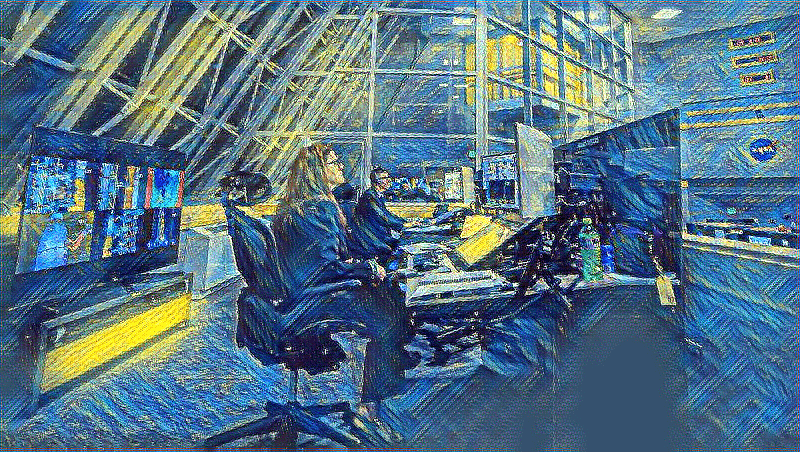
NASA's Artemis II mission, set for April 2026, will send four astronauts around the moon, the first crewed lunar flyby in five decades. Mission control, led by launch director Charlie Blackwell-Thompson and flight director Rick Henfling, will oversee critical phases including launch, translunar injection, and reentry. Challenges include heat shield modifications after Artemis I's damage and a communication blackout behind the moon, but NASA expresses confidence in technical adjustments. Extensive training prepares teams for unforeseen issues, emphasizing adaptability. The mission highlights advancements in human space exploration and international cooperation.
Ad slot
NASA's Artemis II mission, scheduled for April 2026, will send four astronauts on a 10-day journey around the moon, relying on a dedicated mission control team to navigate high-stakes phases and technical challenges.
Mission Overview
Artemis II will launch from Kennedy Space Center in Florida, marking the first crewed lunar flyby in 50 years. The 685,000-mile mission aims to test the Space Launch System rocket and Orion spacecraft with humans aboard, paving the way for future lunar exploration.
Key Personnel
Charlie Blackwell-Thompson: Launch director at Firing Room 1, overseeing countdown and liftoff procedures.
Rick Henfling: Lead flight director at Johnson Space Center's Mission Control in Houston, responsible for in-flight operations and reentry.
Stan Love: Capsule communicator (CapCom) who will maintain direct contact with the crew.
Ad slot
Critical Mission Milestones
Key phases include:
Translunar injection burn: Occurs ~24 hours post-launch to set the moon-bound trajectory.
Communication blackout: On Day 6, Orion will lose contact for ~45 minutes when behind the moon.
Reentry and splashdown: Orion reenters Earth's atmosphere at ~25,000 mph, enduring extreme heat before Pacific Ocean landing.
Challenges and Concerns
Heat shield integrity: After Artemis I's unexpected shield damage, NASA adjusted the reentry trajectory to reduce stress. Officials cite confidence in engineering fixes.
Crewed flight uncertainties: Systems like carbon dioxide removal and toilet performance will be validated in space for the first time with astronauts onboard.
Training and Preparation
Teams undergo rigorous simulations for scenarios like onboard fires, focusing on critical thinking over rote memorization. Personal symbols, such as crew-given patches, underscore team commitment to mission success.