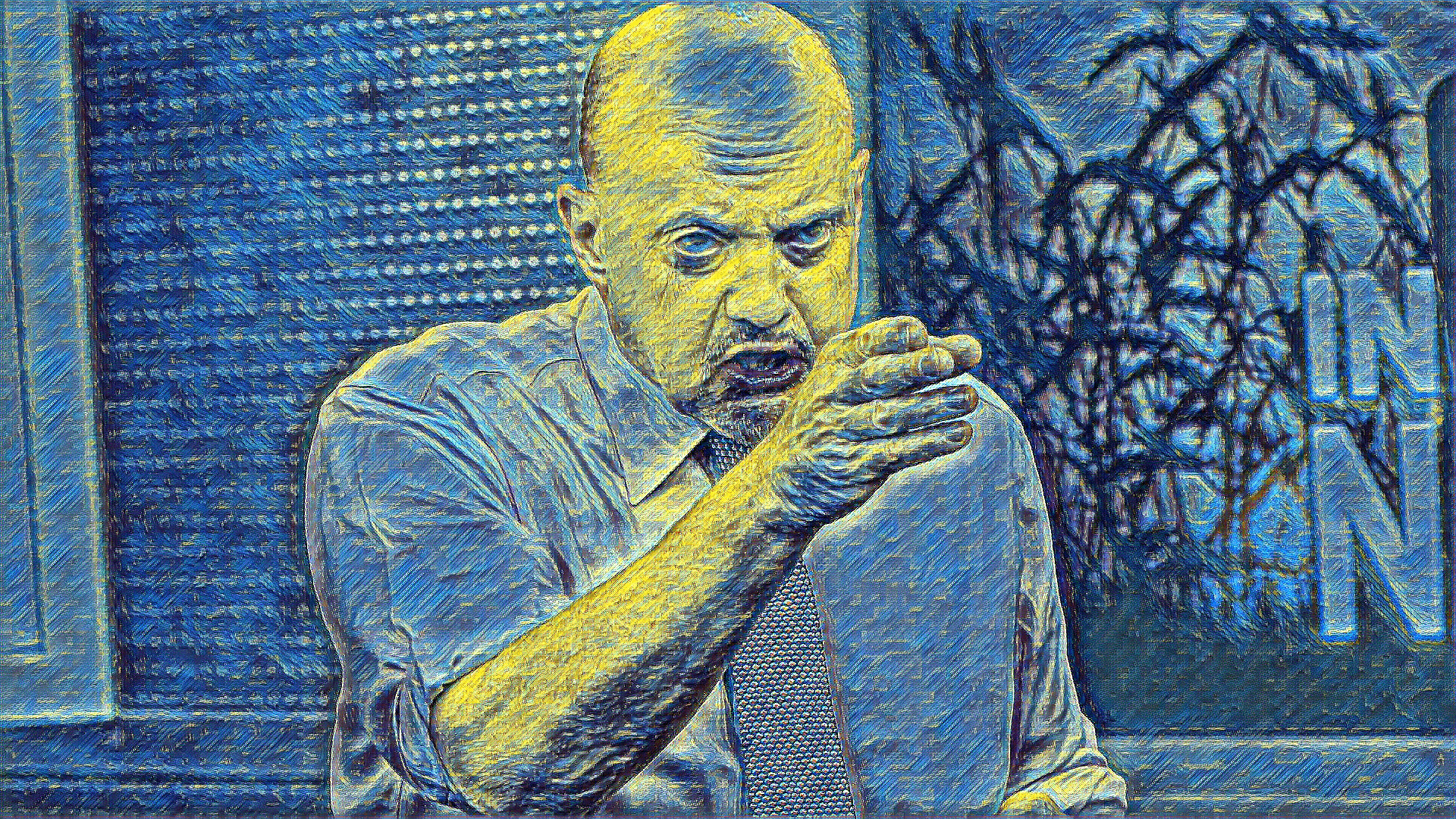
Jim Cramer stated on CNBC's "Mad Money" that the potential stock market bottom observed on March 30 was primarily driven by interest rate expectations, not geopolitical tensions.
Interest Rate Expectations as Key Catalyst
Cramer highlighted that Federal Reserve Chair Jerome Powell's remarks at Harvard University signaled a delay in interest rate hikes, causing bond yields to retreat sharply. This shift stabilized stocks even as Middle East conflicts escalated, underscoring that monetary policy, not war headlines, dictated market movements.
Impact on Rate-Sensitive Sectors
The bond market's influence directly affects sectors vulnerable to interest rate changes:
- Housing
- Banking
- Utilities Cramer warned that rising rates could have initiated a significant bear market due to these sectors' sensitivity.
Ongoing Risks to Market Stability
Despite the stabilization, several risks persist:
- Continued inflation pressures
- Unresolved geopolitical tensions
- Potential weakening of corporate outlooks amid earnings season
Earnings Season as the True Test
The upcoming corporate earnings reports will determine the sustainability of the recovery. Cramer noted that results will reveal the economic impact of higher energy costs and uncertainty, reinforcing that "the bond market is in charge of the stock market, even in a time of war."