BN
|
PoliticsAI Desk1 views

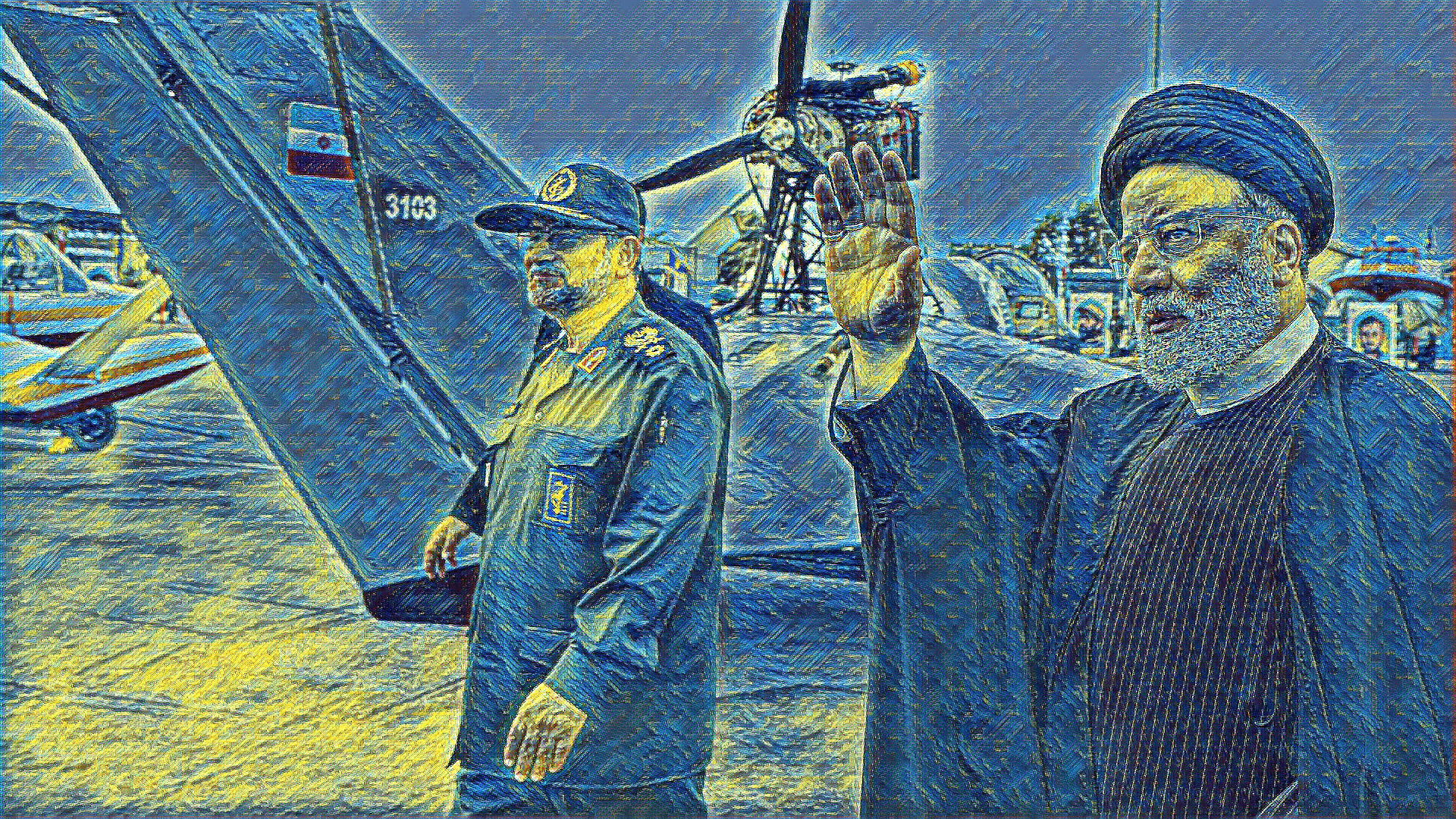
Israel Kills Iranian Naval Chief in Strait of Hormuz Strike

Israel's military announced the killing of Iranian naval commander Alireza Tangsiri in a strike in Bandar Abbas. Tangsiri is accused of overseeing efforts to blockade the Strait of Hormuz and engaging in maritime terrorism. The Strait of Hormuz is critical for global oil and gas shipments, carrying about 20% of the world's supply. Iran has not yet commented on the claim. This incident occurs amid heightened Middle East tensions that have disrupted oil exports through the strait. The situation is developing with potential impacts on energy markets.

Ad slot
Israel Kills Iranian Naval Chief in Strait of Hormuz Strike

Israel's Defense Forces claim to have killed Iranian naval commander Alireza Tangsiri in a precise airstrike in Bandar Abbas, accusing him of orchestrating a blockade of the Strait of Hormuz.

Details of the Strike

The IDF stated on Thursday that Tangsiri was targeted in the port city of Bandar Abbas. The strike is described as "precise," but further operational details were not provided.

Allegations Against Tangsiri

Israel accuses Tangsiri, who commands the naval forces of the Islamic Revolutionary Guard Corps (IRGC), of:

  • Overseeing maritime terrorism against countries in the Middle East.
  • Targeting U.S. and other nations' energy infrastructure.
  • Leading efforts to close the strategically vital Strait of Hormuz.
Ad slot

Strategic Importance of the Strait

The Strait of Hormuz is a key global chokepoint:

  • It transports approximately one-fifth of the world's oil and liquefied natural gas (LNG).
  • It is essential for international fertilizer trade.
  • Disruptions in the strait have already been caused by the ongoing Middle East crisis, affecting oil exports.

Iran's Response

As of now, Iranian authorities have not issued an official comment on the reported killing.

Broader Context

This event unfolds against a backdrop of escalating tensions in the Middle East, which have severely impacted maritime activities in the region. The situation remains fluid, with potential ramifications for global energy security.

Ad slot