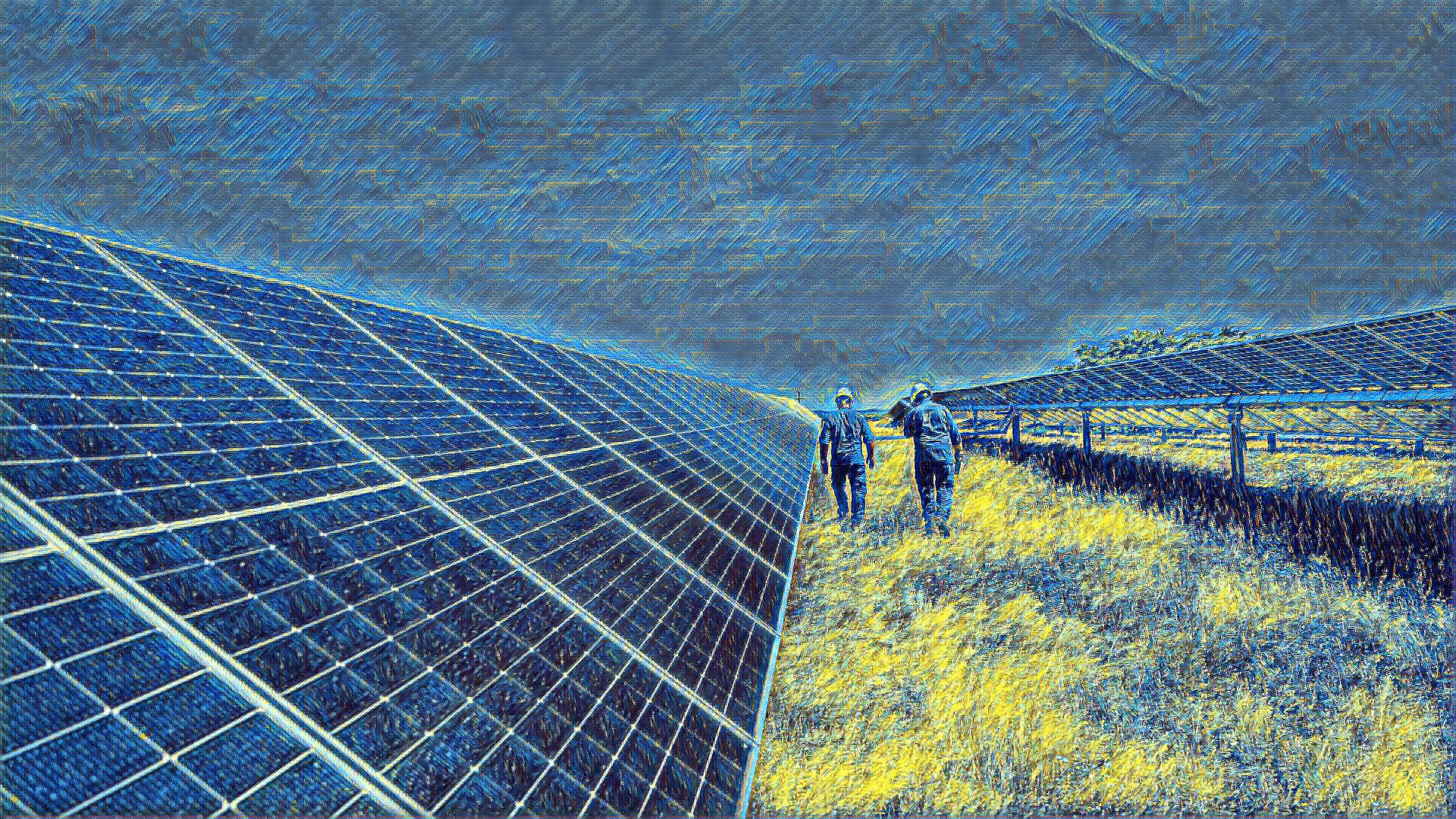
The Iran war has severely disrupted global oil and LNG shipments through the Strait of Hormuz, highlighting energy vulnerabilities and prompting analysts to predict an accelerated transition to renewables for enhanced energy security.
Disruption Exposes Fragile Supply Chains
- The Strait of Hormuz typically carries about 20% of the world's oil and liquefied natural gas (LNG).
- Supply disruptions have impacted Asia, Europe, and Africa, raising fuel costs and threatening food security.
- Surging prices have rattled energy markets and fueled global inflation fears.
Renewables as a Business Driver
Fatih Birol, Executive Director of the International Energy Agency (IEA), stated that solar energy has evolved from a "romantic story" to a core business. Renewables accounted for 85% of all new global power capacity last year, led by solar. Birol emphasized that renewables offer domestic energy sources, reducing emissions and import dependencies.
Asia's Energy Crossroads
Analysts liken this to Asia's "Ukraine moment," comparing it to Europe's push to cut gas dependency after Russia's invasion. Sam Butler-Sloss of Ember think tank noted that electrotech—including solar, wind, batteries, and electric vehicles—has become highly competitive. He estimated that scaling EVs could save oil importers over $600 billion annually, describing it as a "security superlever."
Grid Investment Critical
Ana Maria Jaller-Makarewicz of the Institute for Energy Economics and Financial Analysis (IEEFA) cited Spain as an example. Despite past criticism, Spain's wind and solar investments have helped it maintain lower gas prices in the EU. She stressed that grid modernization and expansion are essential across Europe for a successful transition.
Short-Term Risks
While long-term trends favor renewables, some experts warn of near-term setbacks. Gonzalo Escribano of Elcano Royal Institute cautioned that prolonged conflict could lead to fossil fuel subsidies or a temporary coal resurgence in some countries.