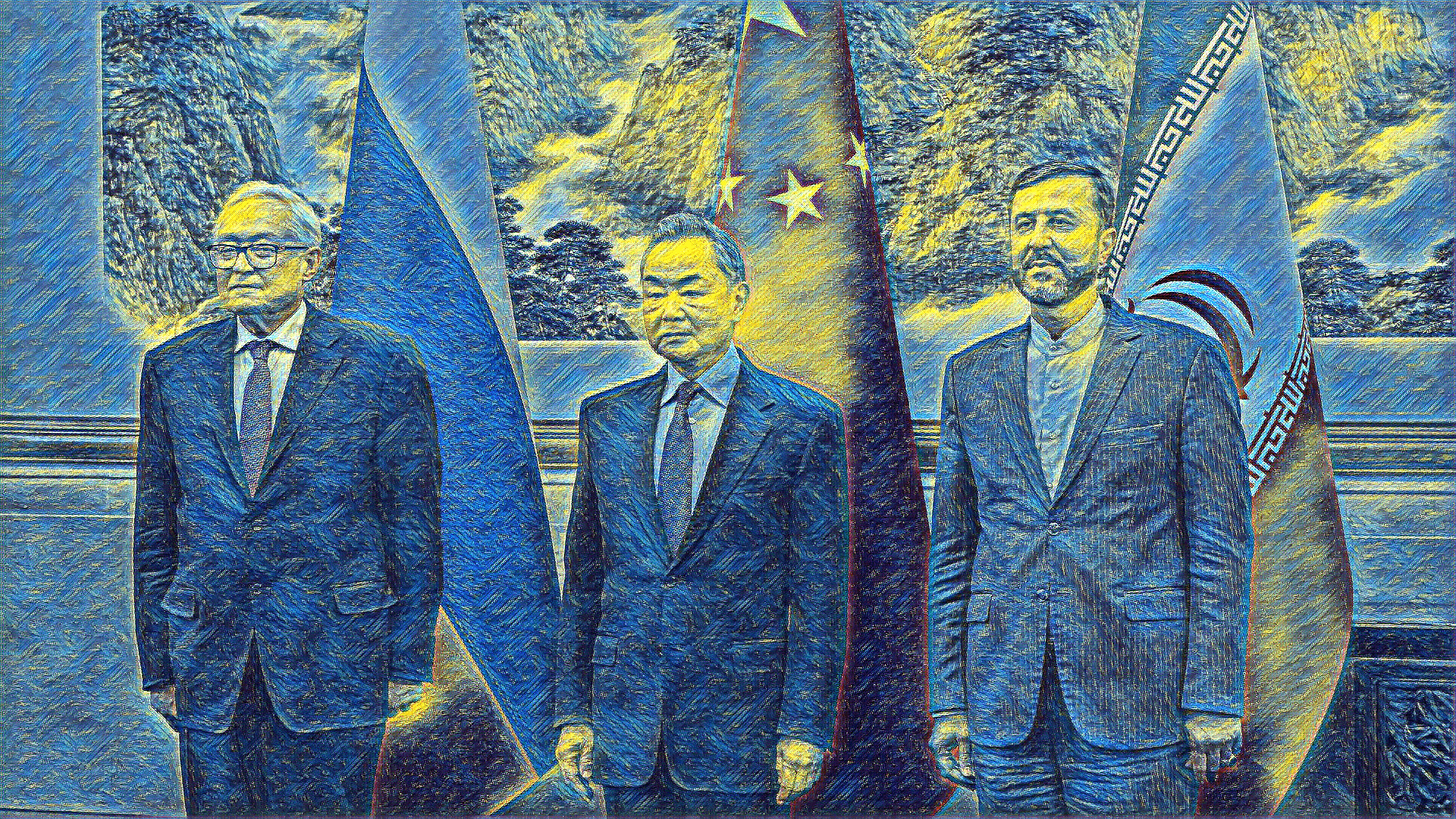
As U.S. and Israeli airstrikes on Iran persist, Tehran's key allies Russia and China have issued only restrained condemnations without pledging military or civilian aid, revealing the practical boundaries of their strategic partnerships.
Limited Responses from Allies
- Russian Foreign Ministry condemned the strikes as violations of international law that destabilize the region.
- Chinese Foreign Minister Wang Yi called attacks "unacceptable" but stressed preserving U.S.-China relations.
- Both nations reiterated calls for ceasefire and diplomatic dialogue but offered no concrete assistance.
China's Calculated Stance
- China prioritizes maintaining détente with the U.S., with a planned Trump-Xi meeting this month.
- Analysts suggest Beijing may seek concessions on Taiwan and trade in exchange for muted Iran messaging.
- Historical pattern: China criticized U.S. actions in Venezuela but took no substantive steps.
Russia's Constrained Capacity
- Russia's invasion of Ukraine has drained military and economic resources, limiting its global influence.
- Kremlin and President Putin have remained silent publicly on the Iran strikes.
- Higher oil prices benefit Russia, but Moscow may adopt a "wait-and-see" approach amid its own conflicts.
Uncertainty Over Regime Change
- Experts note air campaigns historically fail to overthrow regimes without ground intervention.
- Current strikes target military assets, not tools of internal repression.
- No guarantee that U.S. actions will achieve Trump's promised regime change in Iran.