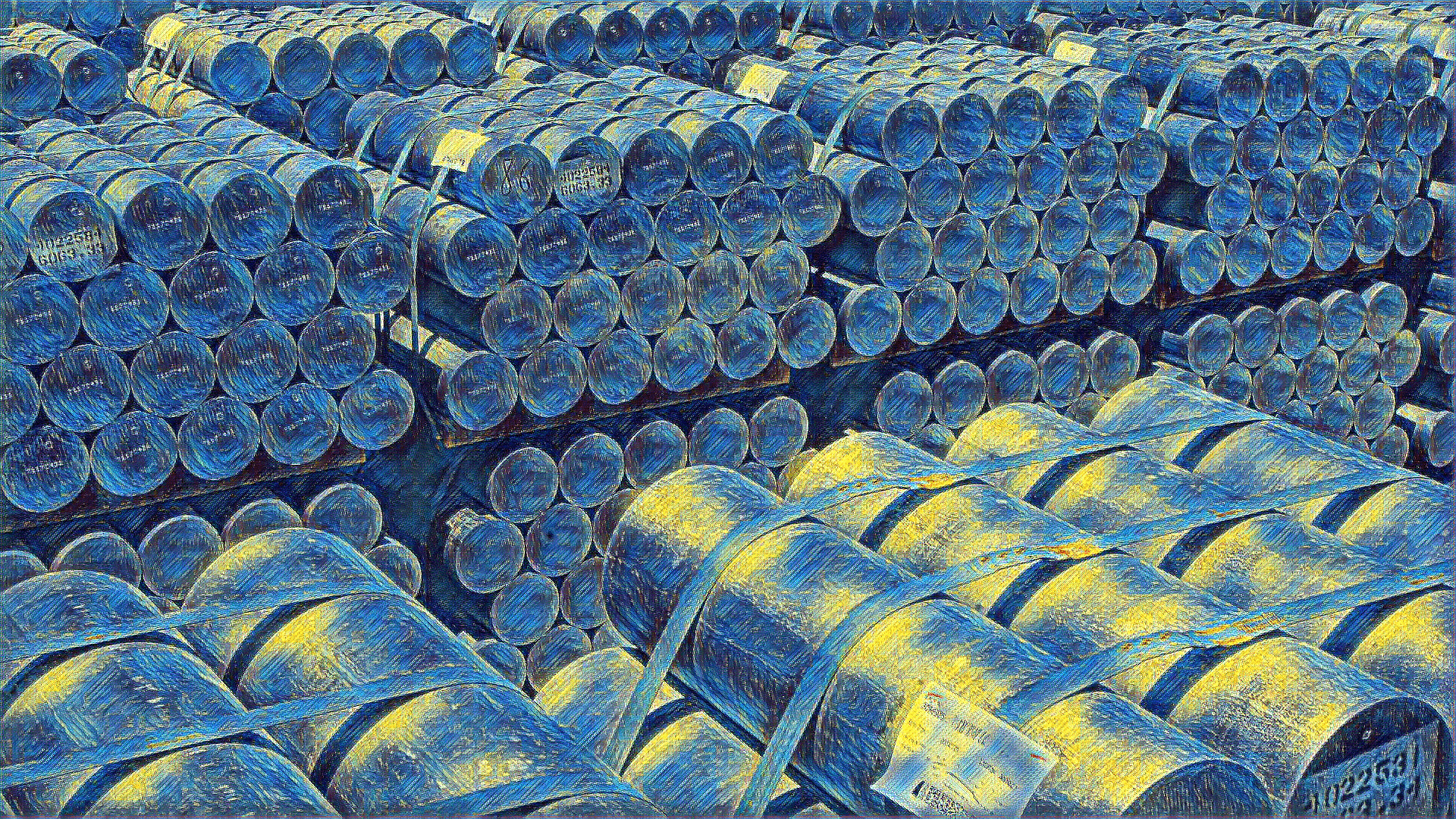
Iran's drone and missile attacks on two major aluminum smelters in the Gulf have triggered a surge in aluminum prices and raised alarms over global supply chain disruptions.
Attack Details
On Saturday, Iranian forces targeted Emirates Global Aluminium (EGA) and Aluminium Bahrain, key producers in the region. EGA confirmed "significant" damage to its Al Taweelah smelter, resulting in several injuries. The facility produced 1.6 million tons of cast aluminum in 2025.
Market Reaction
Aluminum futures on the London Metal Exchange initially rose 5.5% on Monday to $3,492 per tonne—the highest since April 2022—before settling at $3,381 per tonne, up 3.5%. Prices have increased approximately 10% since the conflict escalated on February 28.
Supply Concerns
- The Gulf region supplies about 9% of global aluminum, and exports have been hindered by Iran's closure of the Strait of Hormuz.
- Macquarie Group estimates a potential production loss of 800 to 900 kilotons in 2026 if current capacity is reduced by 20%.
- Analysts warn that prolonged damage could shift the market to a deficit, exacerbating price volatility.
China's Limited Role
China, the world's largest aluminum producer, caps annual output at 45.5 million tons to curb emissions. While some suggest restarting idle smelters could alleviate supply pressures, S&P Global analyst April Kaye Soriano states China's capacity to increase supply is "limited," leaving the global market vulnerable to further shocks.