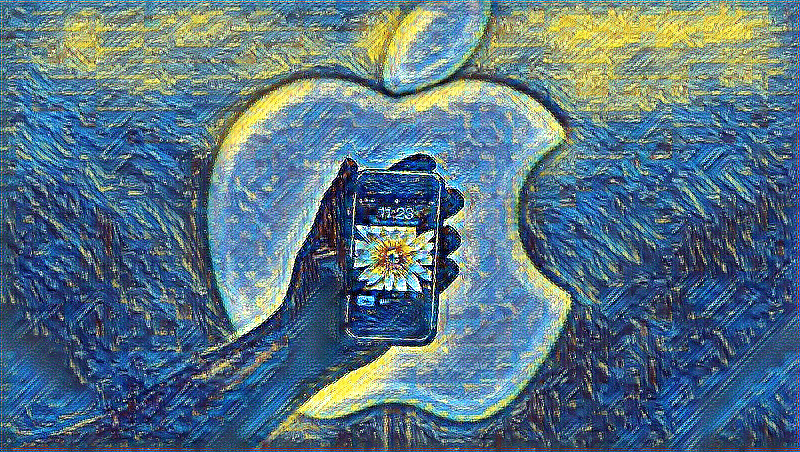
Apple's iPhone emerged from competitive pressure to become the company's most consequential product, surprising its developers with unprecedented global adoption.
Competitive Origins
In the early 2000s, Apple observed Motorola and Samsung releasing phones with built-in MP3 players, threatening the iPod's dominance. Tony Fadell, former Apple executive, highlighted the strategic dilemma: consumers would likely carry one device, forcing Apple to merge music and communications.
Development Challenges
- The iPhone was Apple's most complex project, requiring novel component integrations and software development.
- Engineers faced immense pressure; Rubén Caballero, Apple's VP of engineering, often worked nights and weekends, sometimes sleeping under his desk.
- Early prototypes failed, such as versions with an iPod-style click wheel, which prevented texting and dialing.
- Software had to be entirely rewritten for touch-based interaction, causing stability issues during development.
Launch and Market Reaction
- The iPhone debuted at MacWorld San Francisco in January 2007 and launched commercially on June 29, 2007, priced at $500.
- Internally, it was expected to be a niche luxury product, but consumer demand far exceeded predictions.
- Today, over 2.5 billion Apple devices are in use worldwide, underscoring its unexpected success.
Legacy and AI Challenge
- The iPhone catalyzed an ecosystem including Apple Watch and AirPods, defining Apple's long-term legacy.
- However, Apple now faces an "existential moment" with AI advancements, requiring revolutionary innovation to compete with firms like Google and OpenAI.
- Experts stress that Apple must adapt its approach to maintain relevance in the evolving tech landscape.