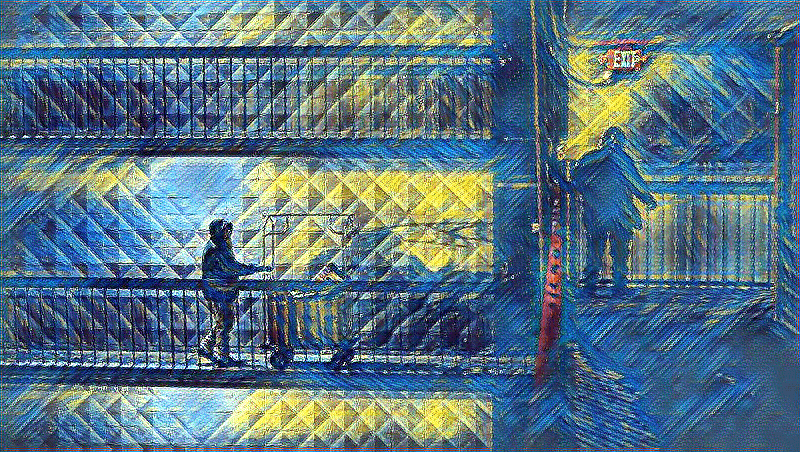
A new book by Brian Goldstone reveals that millions of working Americans live in a "shadow realm" of homelessness, invisible to most, driven by unaffordable housing and a shredded social safety net.
The Myth of Street Homelessness
Common images of homelessness—people on streets with signs, in tattered clothes—only represent the tip of the iceberg. Goldstone argues that most homeless individuals are employed but lack stable housing, working in jobs like warehouse staff, supermarket clerks, or delivery drivers.
The Scale of the "Shadow Realm"
Homelessness encompasses a spectrum of insecurity, including:
- Living in cars or infested motels.
- Staying with relatives in overcrowded apartments.
- Official statistics often exclude these groups.
Goldstone estimates over 4 million people in the US face housing deprivation, with families with children forming the majority.
Case Study: Atlanta's Working Families
In Atlanta, Goldstone profiled five working-class Black families, such as "Celeste," a single mother who worked multiple jobs but faced disasters like arson, cancer, and unscrupulous landlords. The city's gentrification has replaced affordable housing with luxury units, exacerbating the crisis.
Political Roots of the Crisis
The crisis traces back to Reagan-era policies:
- Cuts to HUD and defunding of public housing.
- Weakening labor protections and rise of anti-welfare rhetoric.
- Clinton's welfare reform further reduced safety nets for poor mothers, particularly Black women.
Solutions: From Temporary Fixes to Paradigm Shift
Goldstone advocates for:
- Major public investment in permanently affordable housing.
- Tenant protections: just-cause eviction laws, counsel in eviction court, banning predatory fees.
- Treating housing as a basic human right, not a commodity.
Resilience and Persistent Insecurity
Despite some families securing apartments, they remain one crisis away from homelessness. The line between housed and unhoused is dangerously thin, requiring systemic change to prevent further descent.