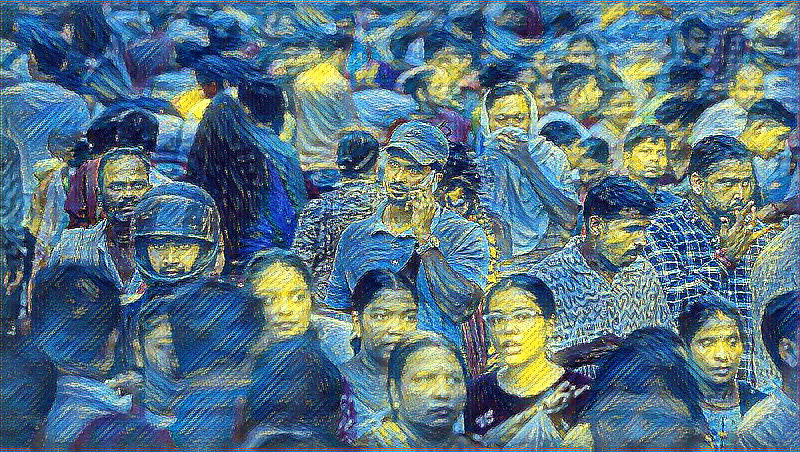
India's 2024 Census: Counting 1.4 Billion with Caste Data
India has commenced its decennial census after a 16-year delay, aiming to count its 1.4 billion population through a two-phase operation ending in 2027. The census includes caste data for the first time since 1931, sparking debate over its impact on social divisions. Enumerators will use a mobile app to collect detailed information on housing, assets, education, and demographics across all states. With over 40% of Indians under 25, the data is crucial for policy-making in the world's most populous nation. The final results will inform government strategies on welfare, representation, and economic planning.
Ad slot
India has launched its long-delayed census to count its 1.4 billion people. This massive undertaking includes caste data for the first time in nearly a century, raising questions about social equity and data utility.
Decadal Delay and Demographic Context
India's census is conducted every decade, but this one is 16 years late due to the Covid-19 pandemic and administrative hurdles.
The last census in 2011 recorded over 1.2 billion people; India is now estimated to be the world's most populous nation with 1.4 billion.
Over 40% of the population is under 25, offering a potential demographic dividend for economic growth.
Census Phases and Methodology
The census will be carried out in two phases across all 26 states and federally administered territories.
Phase 1: Collects details on household conditions, amenities, and assets.
Phase 2 (scheduled for February 2027): Gathers data on demographics, income, education, migration, and fertility.
Over three million enumerators, mostly teachers and officials, will visit nearly 640,000 villages and 10,000 towns.
For the first time, data will be submitted electronically via a mobile app.
Ad slot
Data Collection Scope
Authorities will ask a comprehensive set of questions to assess living standards:
Housing materials and ownership status.
Access to clean drinking water, sanitation, and cooking fuel.
Ownership of assets such as internet connection, television, radio, smartphone, and vehicle type.
The first phase alone includes 33 questions.
Caste Inclusion Debate
For the first time since 1931, the census will collect data on caste, a millennia-old social hierarchy.
Proponents argue that counting caste is essential for political representation and welfare programs for disadvantaged groups.
Critics contend that formalizing caste labels could entrench social divisions rather than move beyond them.
The inclusion affects not only Hindus but also other religious communities like Muslims, Christians, Jains, and Buddhists who identify with castes.
Purpose and Expected Outcomes
The census aims to provide crucial data for public policy, reflecting India's young and diverse population.
Final results are expected in 2027, offering insights into economic conditions, social structures, and regional disparities.
This data will help shape government programs and resource allocation in a rapidly developing economy.