Fatih Birol, Executive Director of the International Energy Agency (IEA), has issued a grave warning that the current global energy crisis is "very severe" and poses a major threat to the world economy, exacerbated by Iran's effective closure of the Strait of Hormuz and missile attacks on energy infrastructure.
Crisis Severity Surpasses Historical Events
Birol stated that the situation is worse than the oil crises of 1973 and 1979, which involved a loss of about 10 million barrels of oil per day, and the gas market crash following Russia's invasion of Ukraine.
Global Economic Sectors Disrupted
The crisis interrupts trade in vital areas beyond oil and gas:
- Petrochemicals
- Fertilizers
- Sulfur
- Helium
These disruptions could have serious consequences for the global economy.
Asia's Vulnerability Due to Hormuz Reliance
Asia is at the forefront of the crisis because of its heavy dependence on the Strait of Hormuz, which Iran has effectively closed. Birol identified opening the Hormuz trade as the single most important solution.
IEA's Emergency Oil Releases and Diplomacy
The IEA has released 400 million barrels of oil to calm markets and is consulting with governments globally. Additional oil, both crude and refined products, may be released if needed. The agency is negotiating with Canada, Mexico, and Australia to increase production.
Damage to Energy Assets and LNG Disruptions
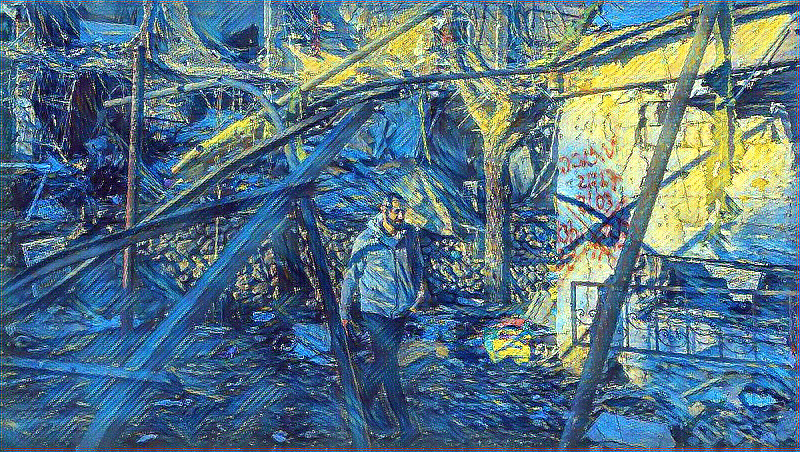
Iranian missile strikes have knocked out Qatar's liquefied natural gas (LNG) exports. Australia cannot fully compensate for this loss alone. At least 44 energy assets across nine countries in the region have been severely or very severely damaged.
Potential for Energy Conservation Measures
Birol indicated that rationing and energy-saving measures, akin to those during the Covid-19 pandemic, may be necessary for some time, with poorer nations facing the greatest hardship.