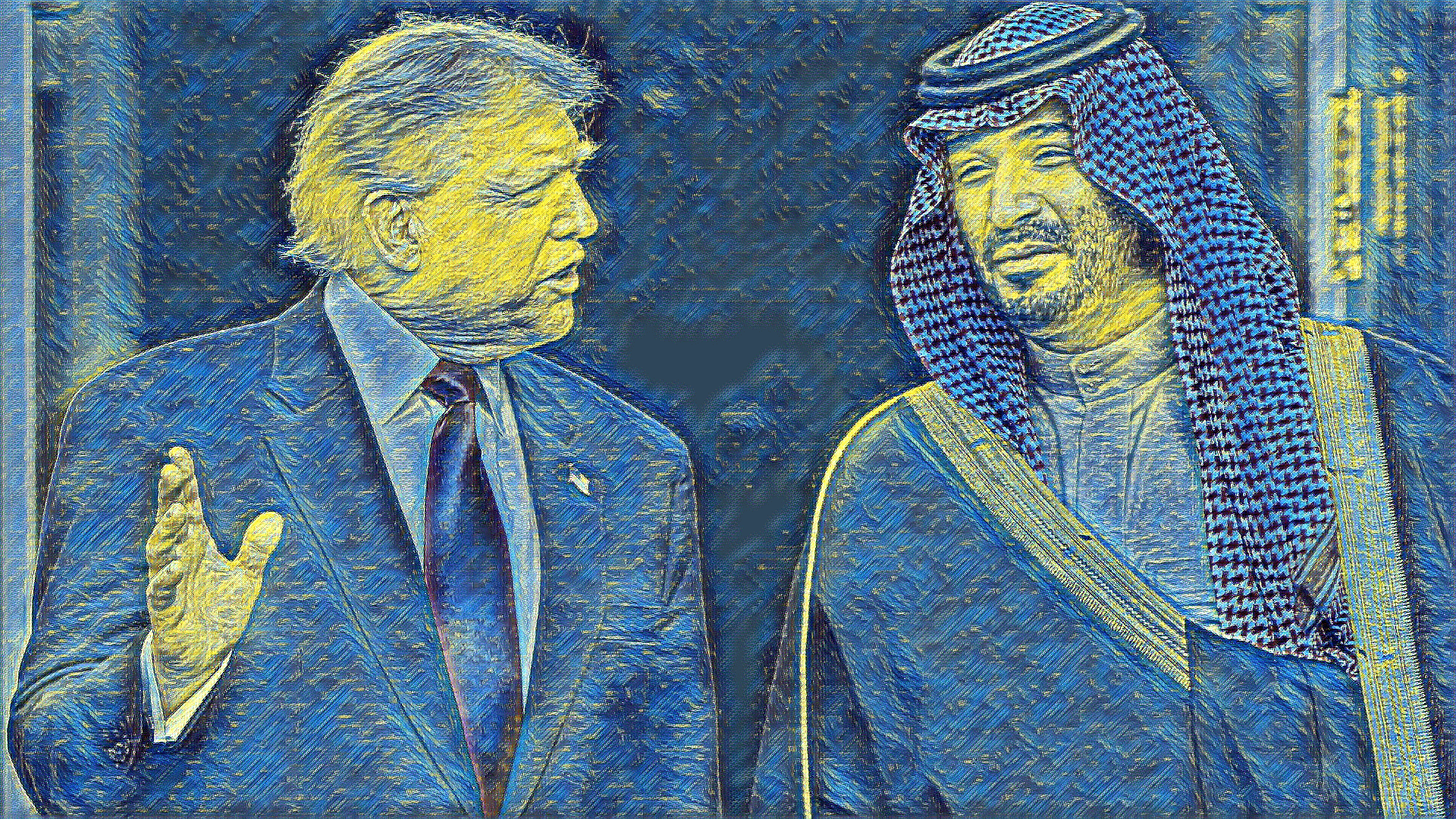
Gulf States Vow Self-Defense as Iran Conflict Stance Hardens
Gulf states, including the UAE and Saudi Arabia, issued a joint statement condemning Iran's attacks on energy facilities and asserting their right to self-defense under international law. This represents a significant departure from their historically neutral stance in the conflict involving Iran, the U.S., and Israel. The attacks have inflicted substantial economic harm and damaged regional stability. The UAE has been particularly vocal, criticizing Iran's control of the Strait of Hormuz as global extortion. Despite U.S. peace initiatives, Gulf nations are hardening their position and warning of potential defensive actions. The statement also calls on Iraq to prevent cross-border attacks, highlighting the escalating security concerns.
Ad slot
Gulf states have jointly condemned Iran's attacks on energy infrastructure and declared readiness for self-defense, marking a sharp shift from prior neutrality.
Joint Statement Condemns Iranian Aggression
The United Arab Emirates, Kuwait, Bahrain, Saudi Arabia, Qatar, and Jordan issued a statement on Thursday denouncing Iran's "blatant" and "criminal" assaults. Key elements include:
Assertion of the "full and inherent right to self-defense" under UN Charter Article 51.
Demand that Iraq halt attacks launched from its territory by Iranian-aligned factions.
Warning that failure to stop escalations could preserve brotherly relations and avoid further conflict.
Shift from Neutrality to Hardline Posture
Previously, Gulf states encouraged de-escalation and maintained conciliatory positions in the Iran-U.S.-Israel war. This joint statement signals a decisive move toward a tougher stance, with explicit threats of defensive measures.
Ad slot
Economic and Security Impact
Iran's drone and missile strikes since late February have targeted oil and liquefied natural gas terminals, resulting in:
Severe damage requiring costly, multi-year repairs.
Major economic setbacks for regional development.
Erosion of the Gulf's reputation as a safe hub for business and tourism.
UAE Leads Regional Criticism
UAE officials have voiced strong opposition:
Ambassador Yousef Al Otaiba stated a simple ceasefire is insufficient amid unconfirmed peace talks.
Sultan Al Jaber, CEO of the UAE's state oil company, called Iran's Strait of Hormuz control "extortion on a global scale."
International Dynamics and Next Steps
Despite White House efforts to facilitate peace talks, Gulf states express skepticism. The statement underscores mounting frustration and a willingness to act independently. CNBC has requested further comment from Gulf states and is awaiting responses.