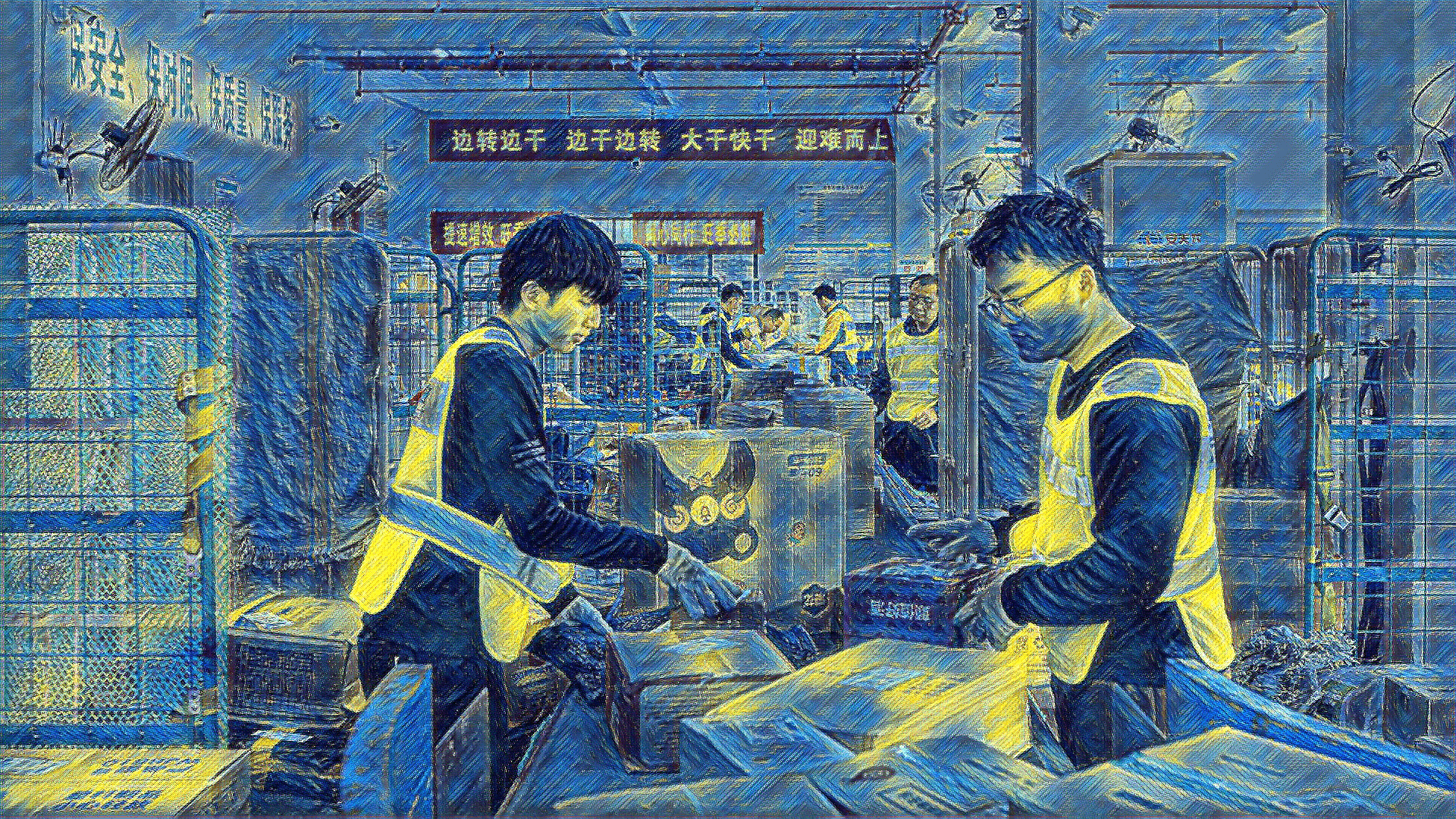
China's economy showed resilient growth in early 2026, with retail sales and industrial output exceeding forecasts, fueled by Lunar New Year consumption and strong export demand. However, a persistent property slump and rising geopolitical tensions pose significant challenges.
Robust Consumption and Production
- Retail sales for January-February rose 2.8% year-on-year, beating the 2.5% economist forecast but slowing from 4% in the same 2025 period.
- Industrial output climbed 6.3%, surpassing the 5% estimate, driven by resilient external demand from Europe and Southeast Asia.
- Holiday spending surged on tobacco, alcohol, gold, jewelry, travel, and duty-free purchases, dampening expectations for immediate stimulus.
Export Surge Amid Trade Pressures
- Exports jumped nearly 22% in the first two months, extending 2025 momentum despite international criticism over excess capacity.
- Outbound shipments to key markets like European and Southeast Asian nations remained strong.
Property Sector Deepens Crisis
- Real estate investment fell 11.1% in January-February, improving slightly from a 17.2% drop in 2025 but still reflecting a prolonged downturn.
- Home prices across 70 major cities declined 3.2% year-on-year in February, the steepest fall in eight months.
- Fixed asset investment overall rose 1.8% year-on-year, but excluding property, it grew 5.2% supported by infrastructure and manufacturing inflows.
Geopolitical and Structural Headwinds
- Officials warned of escalating geopolitical risks and global oil price volatility impacting the economy.
- The National Statistics Bureau stated that the external environment is exerting significant impact, with Beijing monitoring inflation risks from energy prices.
- Deep-rooted growth model issues continue to pressure corporate profitability, alongside the property crisis.