BN
|
PoliticsAI Desk2 views

Chief Justice Roberts Challenges Trump's Birthright Citizenship Order

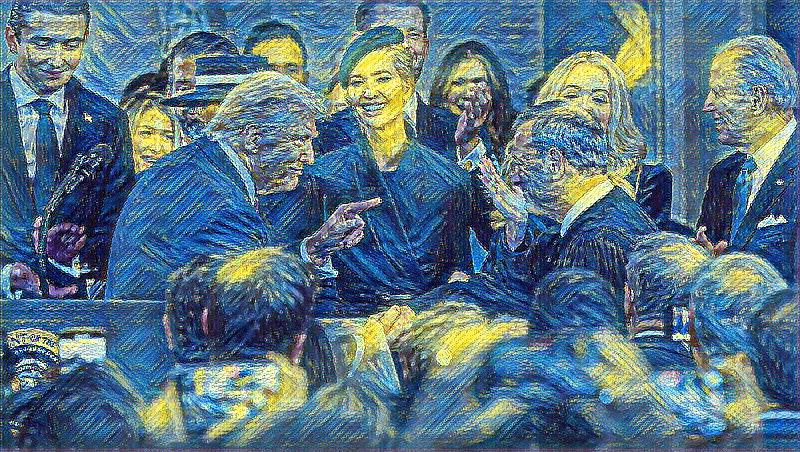
The U.S. Supreme Court heard oral arguments on a challenge to birthright citizenship under the 14th Amendment, with Chief Justice John Roberts expressing clear skepticism toward former President Donald Trump's executive order restricting the right. Trump attended the hearing as a spectator but left early, while justices from both sides questioned the legal basis and practical consequences of overturning the 1898 Wong Kim Ark precedent. Roberts emphasized constitutional stability and highlighted the narrow historical exceptions to citizenship. The case centers on Trump's claim that children of undocumented immigrants should not be citizens, a position legal experts widely dispute. Following the hearing, Trump repeated a false claim that the U.S. is uniquely permissive of birthright citizenship. The court appeared divided, with no immediate indication of a majority to revisit the long-standing precedent.

Ad slot
Chief Justice Roberts Challenges Trump's Birthright Citizenship Order

The U.S. Supreme Court held a historic hearing on birthright citizenship, with Chief Justice John Roberts openly skeptical of former President Donald Trump's effort to overturn a 125-year-old precedent. Trump attended as a spectator but left early, while justices scrutinized the legal and practical impacts of restricting citizenship under the 14th Amendment.

Roberts' Skeptical Questions

Chief Justice Roberts directly challenged Trump's legal arguments during the hearing. He countered Solicitor General John Sauer's claim that modern migration issues require revisiting the near-universal birthright citizenship rule.

  • Roberts emphasized constitutional continuity, stating, "It's the same Constitution" in response to Sauer's "new world" argument.
  • He questioned the expansion of exceptions, noting that Trump's position would broadly exclude children of undocumented or temporary residents, unlike narrow historical exemptions like foreign diplomats.

Trump's Attendance and Departure

Donald Trump was present in the courtroom, a first for a former president at an oral argument, but received no special treatment.

  • He arrived early with aides, including former Attorney General Pam Bondi, and sat in the public gallery.
  • Trump left abruptly about seven minutes into the ACLU's arguments, unnoticed by the justices who continued their inquiry.
Ad slot

Legal Debate on Domicile and Precedent

The core dispute centered on the 1898 Wong Kim Ark decision, which affirmed birthright citizenship.

  • Trump's team argued that parents must be "domiciled" in the U.S. for citizenship, citing the term's frequent use in Wong Kim Ark.
  • Roberts pressed this point, asking why the word's prominence shouldn't be considered significant.
  • Justice Amy Coney Barrett raised hypotheticals about abandoned children, highlighting logistical complexities in determining parental status.

Post-Hearing Misinformation

After exiting, Trump posted on Truth Social, falsely asserting the U.S. is the only nation with birthright citizenship. Approximately 30 countries, primarily in the Americas, have similar policies.

The case stems from Trump's 2025 executive order restricting citizenship for children of parents without legal immigration status, invoking comparisons to the Dred Scott decision. No clear majority emerged for overturning Wong Kim Ark, with justices across the ideological spectrum probing the ramifications.

Ad slot