During the Lunar New Year holiday period in 2026, Chinese consumers are shifting towards spending on cultural and immersive experiences, prompting businesses from hospitality to entertainment to innovate and expand despite tepid overall retail growth.
Record-Breaking Travel Season
China's Lunar New Year travel season, running from early February to mid-March, is expected to see unprecedented movement. Official projections indicate 110 million trips in and out of Beijing alone and 9.5 billion trips nationwide, highlighting that most of China's 1.4 billion population will travel to multiple cities.
- Key destinations like Xishuangbanna, known for its natural beauty and ancient temples, reported over 4 million visits and 5.04 billion yuan in tourism revenue during the holiday last year.
- Hotel chains such as Hilton and IHG are expanding in these regions, with new openings like Hilton Garden Inn and IHG's voco brand.
Theme Parks Lead the Experience Push
Entertainment companies are launching physical venues to engage fans offline.
- iQiyi, China's streaming giant, opened its first theme park in Yangzhou, featuring live theater and VR experiences based on its popular shows.
- Universal Studios Beijing announced plans to incorporate local Chinese animated films and games into its attractions.
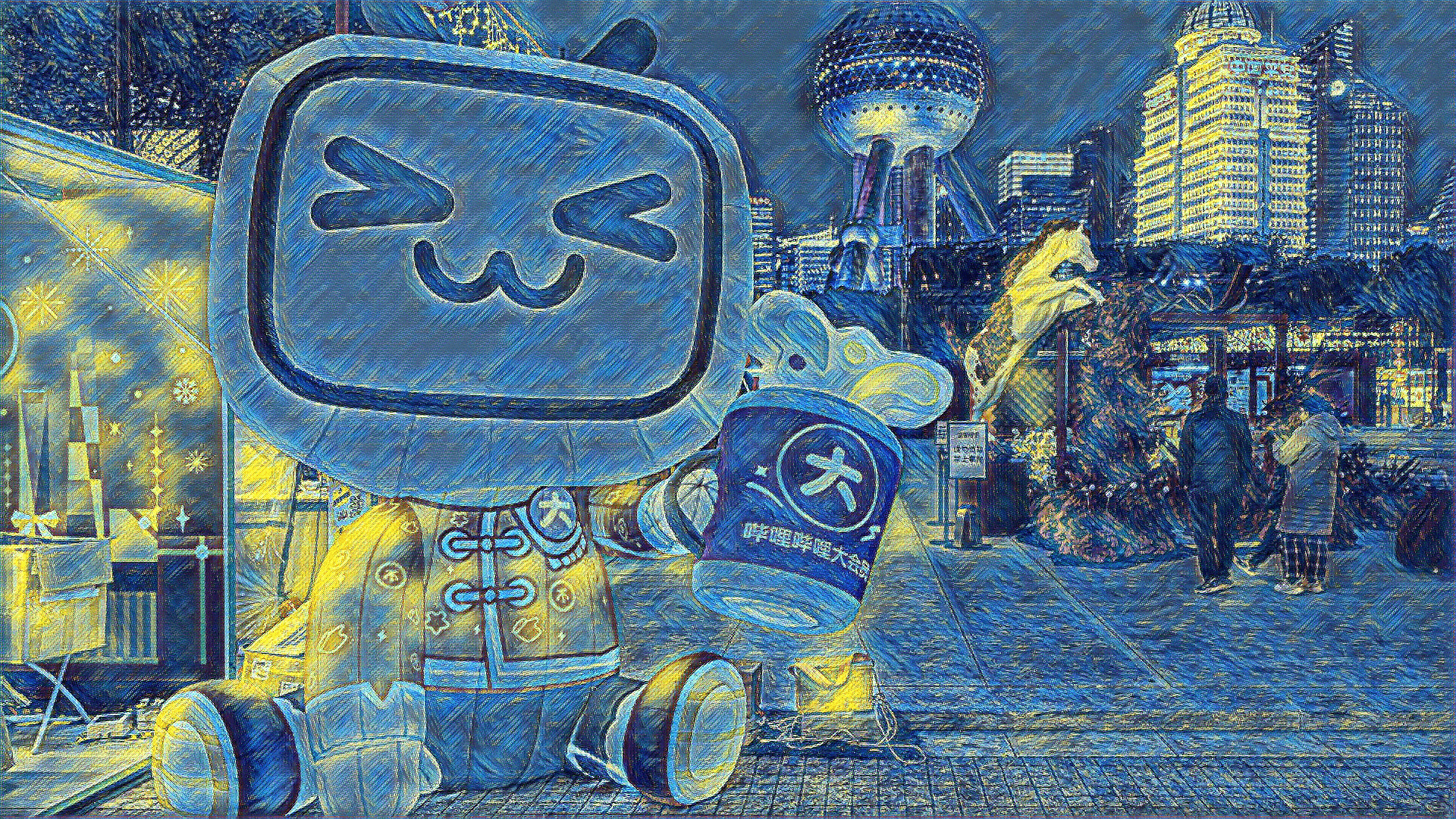
- Bilibili's annual expo, where characters from animations and games come to life, sold out rapidly, indicating strong demand for such events.
Luxury Brands Focus on Shareable Moments
Despite slow retail sales growth of 0.9% in December 2025, luxury brands are investing in experiential retail.
- Louis Vuitton opened two new stores in the past year, emphasizing social media-friendly designs, celebrity endorsements, and even cafes to create buzz.
- Shopping malls are showcasing zodiac-themed collections, but consumers increasingly value emotionally rich travel experiences over traditional purchases.
Economic Context and Market Notes
- The broader retail environment remains challenging, but the experience economy shows resilience.
- Mainland China and Hong Kong exchanges were closed for the holiday, with the CSI 300 down 1.2% year-to-date and Hang Seng up 1.4%.
- Other highlights include Xiaomi outselling Tesla in electric SUVs in January and AI stocks surging ahead of the holiday.