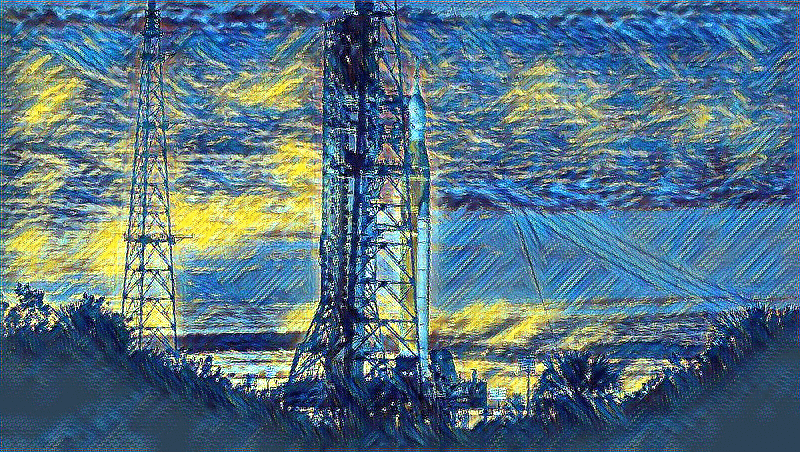
NASA's Artemis II mission, launching in April, will send four astronauts on a 10-day journey around the moon—the first human deep space flight in over 50 years. This guide explains key terminology and milestones to help viewers follow the mission accurately.
Launch Countdown Terminology
- T Minus: Time remaining until specific countdown events (e.g., engine start).
- L Minus: Time until liftoff in hours and minutes.
- Nominal: Indicates systems are operating as planned.
- LOX and LH2: Abbreviations for liquid oxygen and liquid hydrogen used in fueling.
- Fueling phases: Slow fill, fast fill, topping, and replenishing.
- Hold: A planned pause in the countdown clock.
- White Room: Controlled area where crew dons gear before boarding.
- Ingress: The act of astronauts entering the Orion capsule.
- Terminal count: Final automated 10-minute phase before launch.
- Umbilical separation: Disconnection of power and fuel lines just before liftoff.
Rocket and Spacecraft Components
- SLS: Space Launch System, the rocket used for launch.
- ICPS: Interim Cryogenic Propulsion Stage, upper stage providing propulsion after core stage separation.
- Core stage: Main section with engines and propellant tanks.
- SRB: Solid Rocket Boosters for initial thrust.
- LAS: Launch Abort System for emergency escapes.
- Zero gravity indicator: A plush toy that floats to confirm microgravity.
Mission Burns and Milestones
- Perigee raise maneuver: Burn ~49 minutes post-launch to stabilize low-Earth orbit.
- Apogee raise burn: Burn ~1 hour later to achieve higher orbit; ICPS separates afterward.
- Proximity Operations Demonstration: Crew practices docking with ICPS before it burns up.
- Translunar injection (TLI) burn: Major firing to transition from Earth orbit to lunar trajectory.
- Orbital trajectory correction burns: Small adjustments en route to the moon.
- Lunar sphere of influence: Point where moon's gravity overpowers Earth's, entered on flight day five.
- Reentry sequence: Service module separation, heat shield deployment, parachute deployment (drogue then pilot chutes), and splashdown off California on day 10.
Mission Significance
Artemis II is a historic step in NASA's Artemis program, testing systems for future lunar landings. It demonstrates deep space capabilities and sets the stage for sustainable moon exploration.