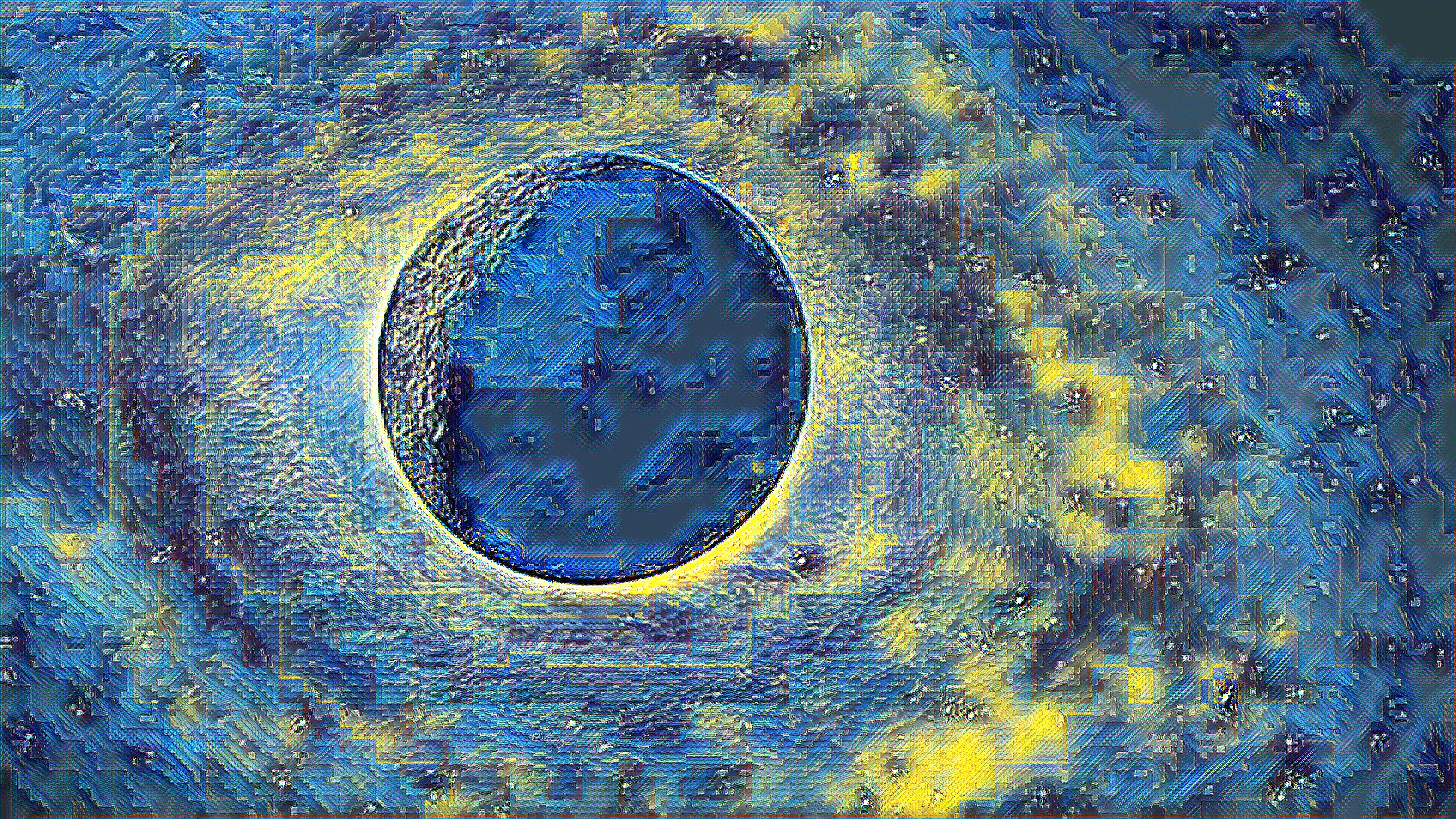
NASA's Artemis II mission has captured an "absolutely stunning" photograph of the moon eclipsing the sun, while breaking a 56-year-old record for the farthest distance traveled by humans from Earth.
Record-Breaking Flyby
- On April 6, 2026, during its six-hour flyby of the moon, the Orion spacecraft captured the photo.
- This broke the distance record set by Apollo 13 in 1970, marking the farthest humans have been from Earth.
- The image was released by the White House and NASA, drawing widespread attention.
Crew and Administrator Reactions
- NASA Administrator Jared Isaacman described the photo as "absolutely stunning" and stated, "This is not AI. This is why we do what we do."
- Astronaut Jeremy Hansen radioed from the spacecraft, "It is blowing my mind what you can see with the naked eye from the moon right now. It is just unbelievable."
- Commander Reid Wiseman became emotional when Hansen requested to name a fresh lunar crater after Wiseman's late wife, who died of cancer in 2020.
Presidential Acknowledgment
- President Donald Trump called the crew on Monday to congratulate them, saying, "You've made history and made all America really proud."
Mission Context and Future Plans
- Artemis II is NASA's first crewed mission to fly by the moon since Apollo 17 in December 1972.
- The four-person crew includes commander Reid Wiseman, mission specialist Christina Koch, Canadian astronaut Jeremy Hansen, and another American astronaut.
- NASA plans to launch Artemis III in 2027 to practice docking lunar landers, aiming for future moon landings.