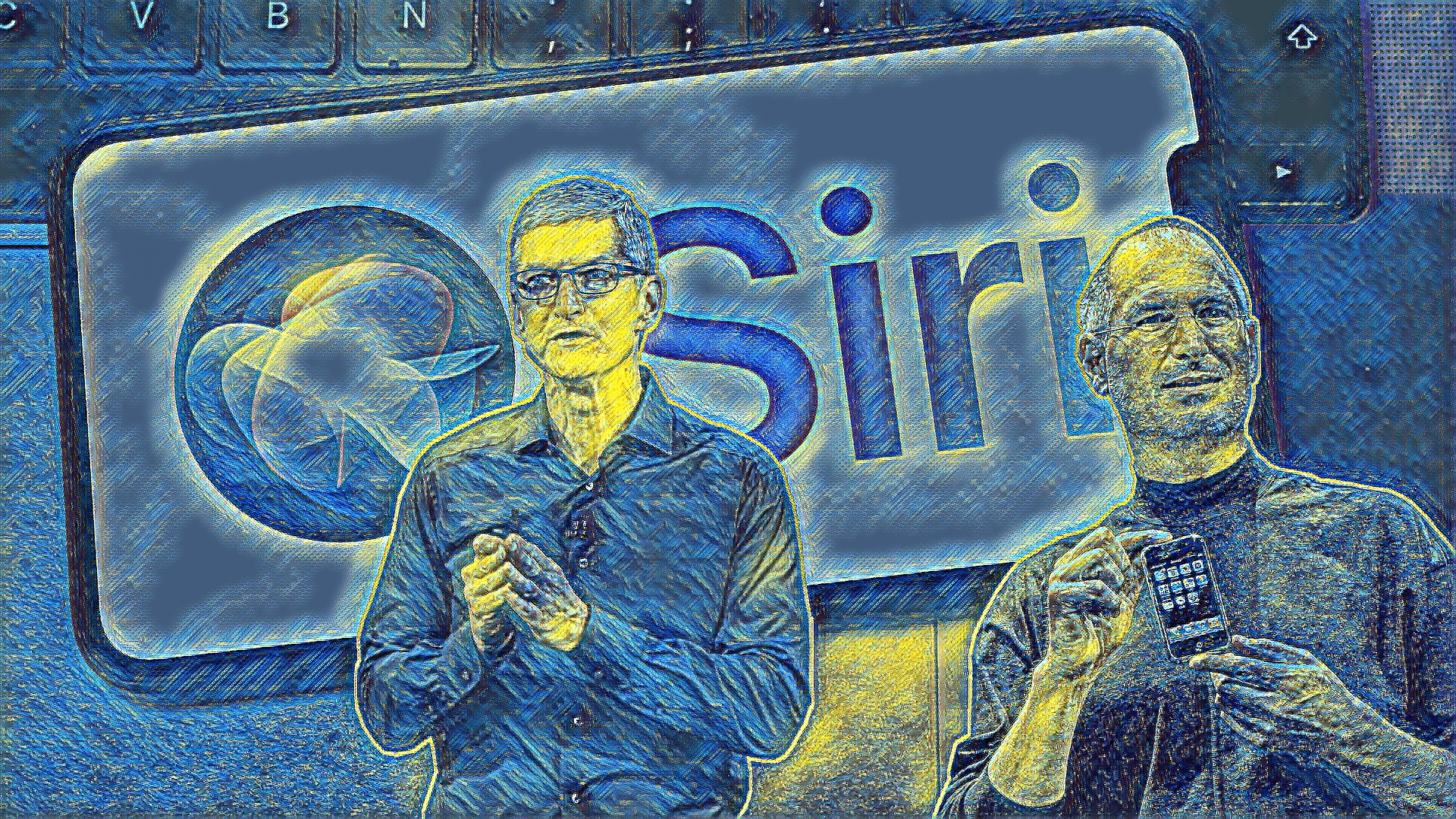
Apple Inc. celebrates its 50th anniversary at Apple Park while confronting a critical AI setback, having lost its early advantage with Siri, but former insiders suggest a comeback is feasible through on-device AI innovations.
50th Anniversary Celebration
On the eve of its 50th birthday, Apple hosted Nasdaq's market open festivities at its Cupertino headquarters. CEO Tim Cook rang the opening bell, marking a celebratory moment for the iconic company. The event, featuring a performance by Paul McCartney, projected confidence despite underlying AI challenges.
The Google Gemini Partnership
Apple has struck a multiyear deal to integrate Google's Gemini AI into Siri. This follows Google's existing $20 billion annual payment for being the iPhone's default search engine. Now, Apple pays for Google's AI technology, raising concerns among analysts like Horace Dediu about user data privacy. Dediu emphasizes that Apple must ensure data does not enhance Google's algorithms.
Siri's Historical Stagnation
Siri launched in October 2011, predating Amazon Alexa and Google Assistant, but its development stalled. Former Siri co-founder Walt Mossberg stated Apple "basically blew a five-year lead." Dag Kittlaus, another co-founder, noted that without Steve Jobs' vision, Siri's capabilities weren't expanded despite technical improvements. Adam Cheyer highlighted the original ambition to create a system that both answers and acts, which remains unfulfilled.
Apple Intelligence and On-Device AI Focus
Apple is betting on on-device AI with Apple Intelligence, which includes features like image generation and notification summarization. This approach aligns with Cook's privacy principle, using Private Cloud Compute when necessary. The strategy relies on shrinking AI models to run on Apple's custom silicon, a trend analysts see as moving computing to the edge.
Rivals' Massive AI Investments
While Apple keeps capital expenditures low, competitors are investing heavily:
- Amazon, Microsoft, Alphabet, and Meta are committing hundreds of billions annually to AI infrastructure.
- This cloud-centric approach contrasts with Apple's device-focused model.
OpenAI's New Hardware Challenge
OpenAI has acquired Jony Ive's design firm to develop screenless AI devices, potentially disrupting Apple's phone-centric ecosystem. Former Apple executives like Tony Fadell view such devices as accessories, while others warn that a shift to wearables could diminish Apple's design advantages. Ken Kocienda's startup Humane attempted a similar device but failed, suggesting the idea may be premature.
Conclusion: A Controlled Display, Uncertain Path
The anniversary event was meticulously orchestrated, symbolizing Apple's attempt to showcase stability. However, the company's AI future depends on whether computing remains phone-based or evolves toward new form factors, with its partnership with Google serving as a potential bridge.