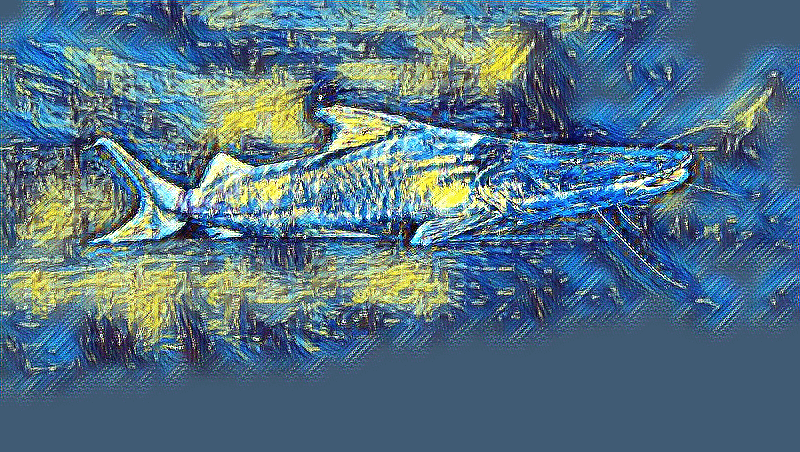
Six Amazonian countries have signed an international action plan to protect the dorado catfish, which undertakes the world's longest freshwater migration, threatened by hydropower dams.
The Dorado's Epic Journey
The dorado catfish, also known as the gilded catfish, completes a 7,000-mile round trip—the longest freshwater migration on Earth. It spawns in the Andes headwaters of the Amazon River, with larvae drifting downstream to the Atlantic estuary. After growing in nutrient-rich waters, juveniles journey back upstream to breed, a cycle taking 1-2 years.
Threats from Hydropower Development
Hydropower dams and river fragmentation are blocking migration routes, causing steep population declines. For instance, in Bolivia, dorado numbers dropped by 80% over 15 years following dam constructions downstream in Brazil. As an apex predator, its decline disrupts the entire river ecosystem.
International Action Plan
At the Convention for the Conservation of Migratory Species (CMS), Brazil proposed an action plan signed by six Amazon nations. The plan aims to:
- Maintain river connectivity through careful hydropower planning and impact assessments.
- Implement solutions like fish ladders for existing dams.
- Promote the removal of obsolete dams.
It covers the dorado and six other migratory Goliath catfish species, including the laulao catfish.
Importance to Amazon Communities
Migratory fish are vital for the region:
- 93% of the Amazon fisheries' catch comes from migratory species, generating $436 million annually.
- Around 47 million people rely on these fisheries for food security.
- Approximately 400 Indigenous groups depend on fishing for sustenance and cultural practices.
Global Conservation Challenge
A CMS report reveals an 81% decline in migratory freshwater fish populations since 1970, with 325 species needing international protection. The Amazon Basin, home to over 2,700 freshwater fish species, has 20 such migratory species. Experts compare the migration to the Serengeti's wildlife movements, emphasizing that rivers cross borders and require coordinated management.
Expert Perspectives and Future Steps
Dr. Zeb Hogan of CMS stresses the need for cross-border collaboration. Guillermo Estupiñán of WCS Brazil calls the plan a "milestone" for harmonizing policies. Amy Fraenkel of CMS notes this is the first such agreement for freshwater fish, offering a model for others. With the plan approved, efforts will focus on data collection, integrating local and Indigenous knowledge, and standardizing regional practices.