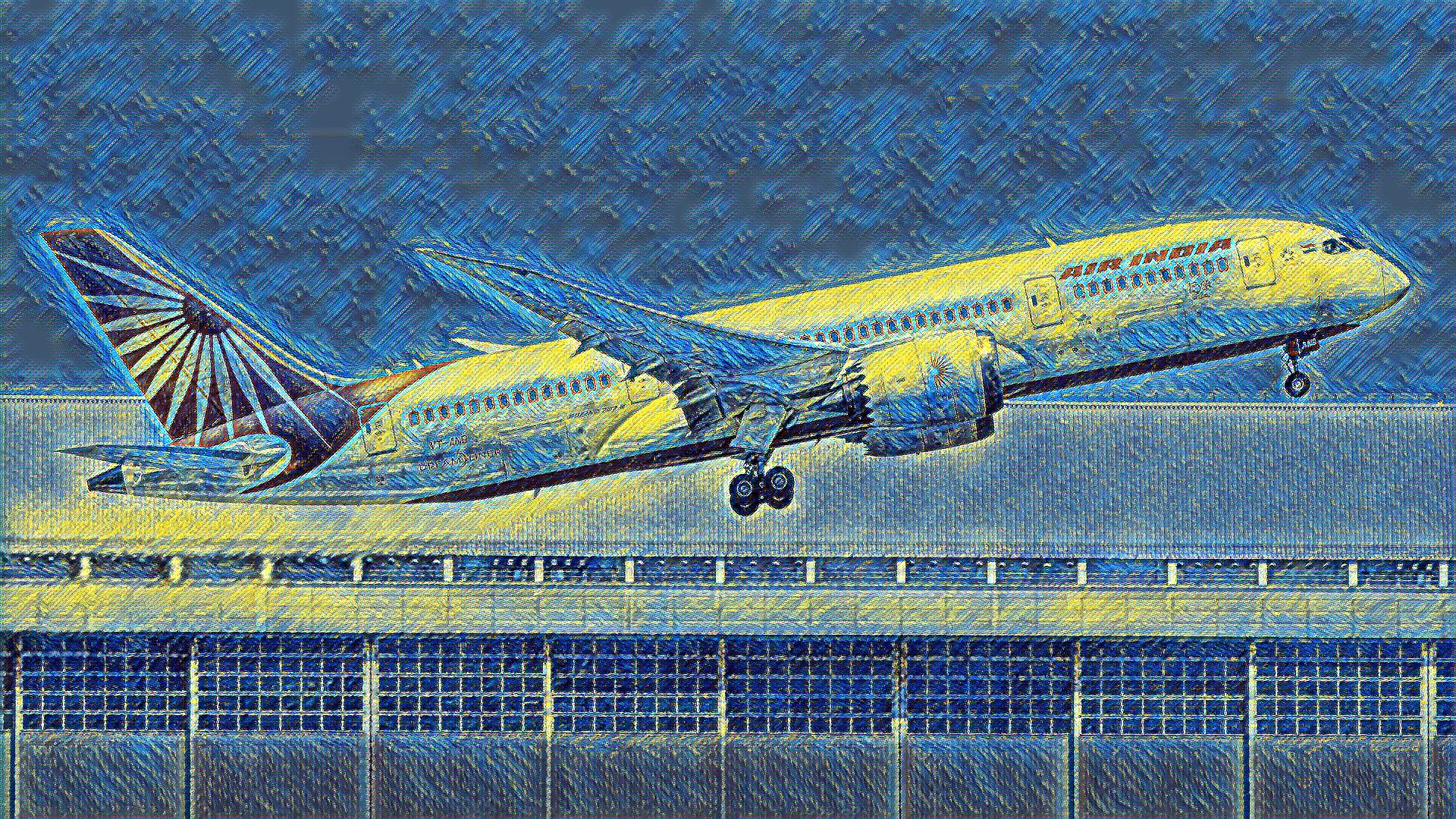
Air India CEO Campbell Wilson has resigned amid the airline's ongoing financial losses and increased regulatory oversight following a fatal crash last year.
Background on Wilson's Tenure
Campbell Wilson, a former Singapore Airlines veteran, was appointed CEO of Air India by the Tata Group in 2022 to lead the carrier's turnaround after years of decline under government ownership. His term was due to end in 2027, but he is now serving a six-month notice period to find a successor, according to a source with direct knowledge. Air India is chaired by N. Chandrasekaran, with Singapore Airlines holding a 25% stake.
Financial and Operational Challenges
Air India has reported significant losses since its acquisition by Tata Group in 2022. Key financial and operational points include:
- Combined loss of 98.08 billion rupees ($1.05 billion) for Air India and Air India Express in the 2024-2025 financial year.
- Fleet size: 191 aircraft, with orders for more than 500 planes.
- Operational issues such as aircraft delivery delays and supply chain disruptions.
Regulatory Scrutiny and Safety Lapses
The airline has faced reprimands from regulators for safety violations, including:
- Flying an aircraft eight times without an airworthiness certificate.
- Operating planes without checking emergency equipment.
- In December, Air India admitted to needing "urgent improvements in process discipline, communication, and compliance culture."
Industry Context and Competition
The resignation occurs amid broader industry pressures:
- India's aviation sector is under stress from the Middle East conflict and Pakistan's ban on Indian carriers from its airspace.
- Intense competition, particularly with rival IndiGo, which recently appointed aviation veteran Willie Walsh as its new CEO.
- Air India's lucrative western routes are already scaled back due to Pakistan's restrictions, with potential further pressure from a prolonged Iran war.