Oppenheimer analysts project a "blue-collar renaissance" in 2024, as AI adoption increases demand for physical infrastructure and skilled trades, potentially offsetting job losses in white-collar sectors.
AI's Mixed Labor Market Effects
- AI advancements are raising concerns about white-collar job displacement, particularly in software. The iShares Expanded Tech-Software Sector ETF (IGV) has dropped 20% year-to-date, and companies like Block have laid off thousands.
- Conversely, U.S. manufacturing employment remains below pre-pandemic levels, suggesting a gap that blue-collar jobs could fill. Oppenheimer notes that AI will drive demand for workers who build and service the machines enabling technology.
Five Key Investment Themes
Oppenheimer's report outlines five areas for investors:
- Physical-to-Digital Connection: Investing in sensors and data pipelines. Stocks include Aeva Technologies, Aptiv, Bentley Systems, Itron, Johnson Controls International, Mobileye Global, Ouster, Serve Robotics, Trimble, and Tesla.
- Automation Tools: Companies that reskill or upskill the workforce. Examples are Caterpillar, Deere, Rockwell Automation, and Trimble.
- In-Field Labor Augmentation: Solutions that optimize skilled labor in fields. Leaders include Vertiv, Forgent Power Solutions, Shoals Technologies Group, with Johnson Controls International, Trane Technologies, and Lennox International also contributing.
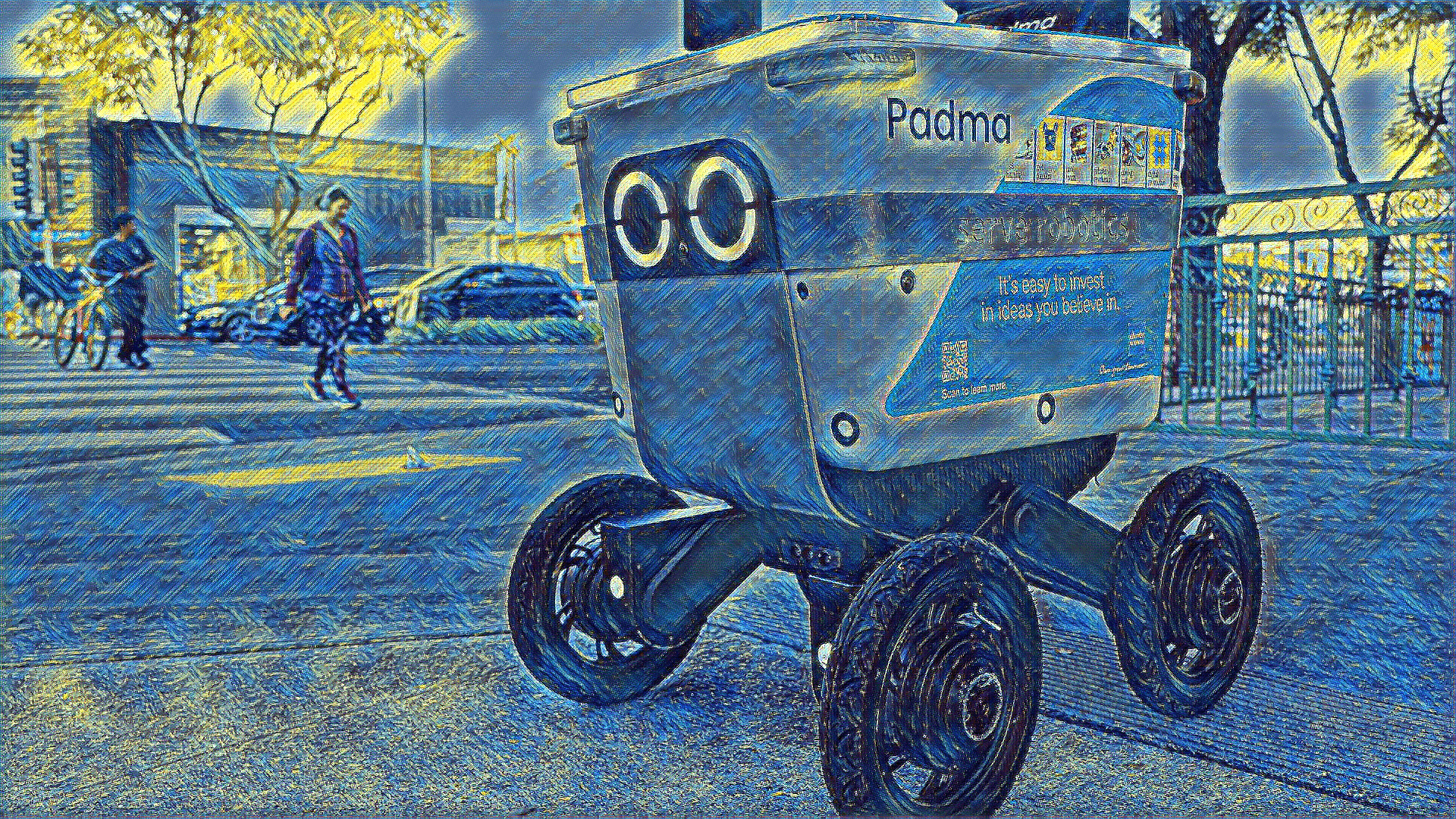
- Autonomous Systems: Firms developing autonomous physical systems. Such as Aurora Innovation, Mobileye Global, Serve Robotics, and Symbotic.
- Less-Affected Sectors: Industries like agriculture, where AI enables innovation. Beneficiaries include International Flavors and Fragrances, Ingredion, and Corteva.
Caveats and Long-Term Dependencies
The report cautions that these trends may depend on stable, long-term energy and agricultural prices. Short-term high prices could impact demand for companies like Caterpillar and Deere.