BN
|
BusinessAI Desk7 views

AI Energy Boom: Renewables Outpace Fossil Fuel Crutch

The article examines how AI's escalating electricity demand is temporarily boosting fossil fuel use, particularly natural gas, as a 'crutch' to overcome energy bottlenecks. Despite this, renewable energy is projected to supply 45% of global electricity by 2030, per the IEA, but faces integration challenges due to variable supply and infrastructure gaps. AI also serves as an optimization tool, potentially lowering clean energy costs through smarter grid management. However, intermittency issues require significant investment in storage and transmission, with gas likely remaining a transition fuel until 2060. Long-term sustainability depends on renewables, supported by policies that address infrastructure and market risks.

Ad slot
AI Energy Boom: Renewables Outpace Fossil Fuel Crutch

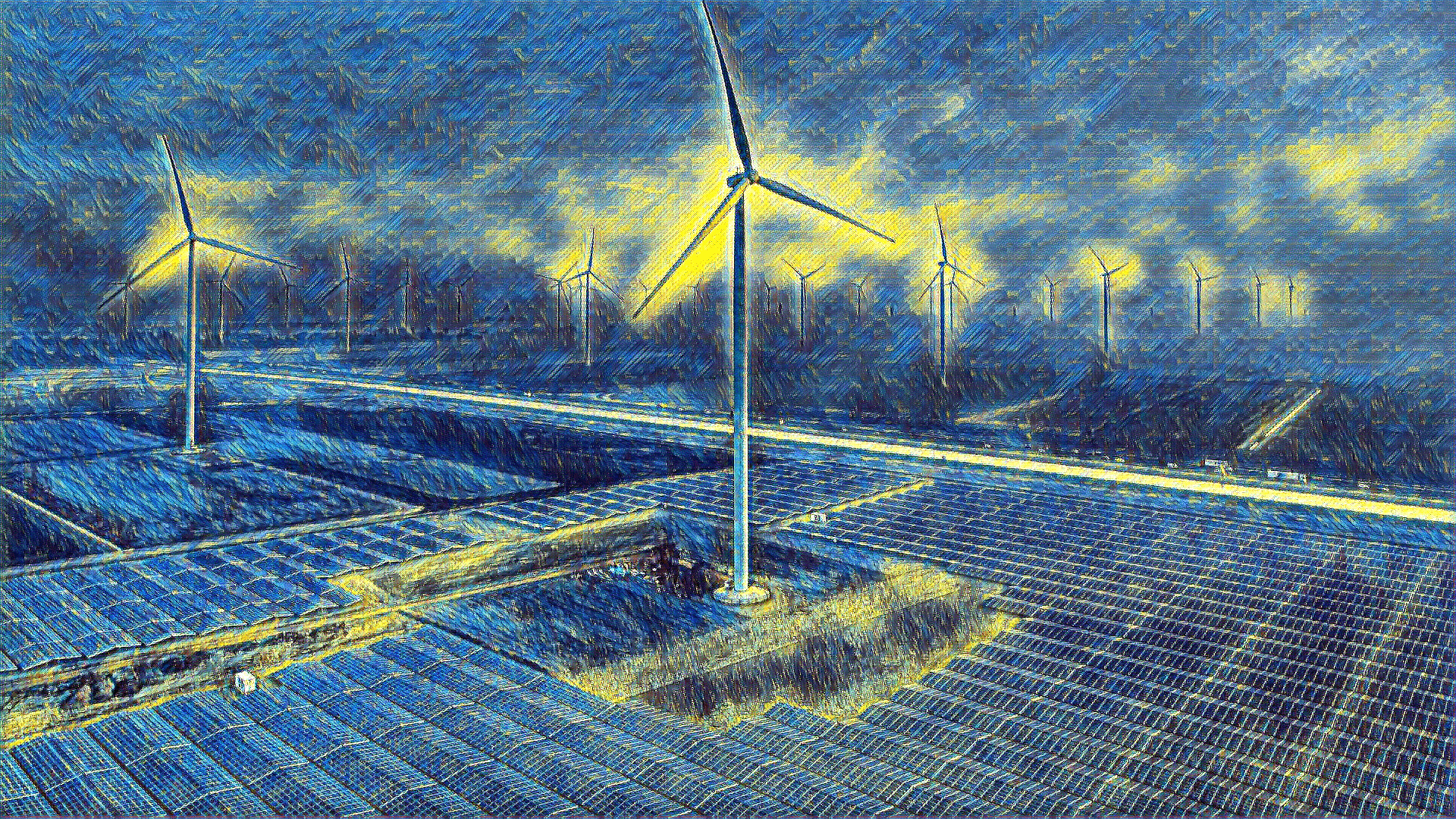
The rapid expansion of AI-driven electricity demand is reshaping global energy strategies, with fossil fuels serving as a temporary bridge while renewable energy emerges as the long-term solution.

AI-Driven Demand Surge

  • Artificial intelligence, particularly from data centers, is significantly increasing global electricity consumption.
  • This surge pressures existing energy systems and highlights the need for scalable power sources.

Fossil Fuels as a Transitional Crutch

  • Natural gas is being deployed as a "short-term crutch" to address immediate energy bottlenecks from AI growth.
  • Experts, like Alberto Faraco of Morningstar DBRS, note gas is the most efficient and cleanest fossil fuel, with the EU viewing it as a transition fuel potentially lasting until 2060.
  • However, this reliance is unsustainable for long-term climate goals.
Ad slot

Renewable Energy Growth and Integration Hurdles

  • The International Energy Agency forecasts a 60% increase in renewable electricity generation by 2030, accounting for 45% of global output.
  • In Europe, renewables supplied nearly 50% of power in 2024, with extensive solar and wind projects awaiting grid connection.
  • Integration challenges include variable supply affecting market prices, undermining investment economics, and raising costs for governments, as explained by Peter Osbaldstone of Wood Mackenzie.

AI's Dual Role: Demand Driver and Optimization Enabler

  • AI exacerbates energy demand but also offers tools for smarter grid management through data analytics.
  • The IEA reports AI can improve planning, reduce CO2 emissions, and extend asset lifespans.
  • The European Commission's "twin potential" initiative aims to leverage AI for energy efficiency and system reliability while meeting AI's power needs.

Storage and Infrastructure Challenges

  • Renewable intermittency necessitates massive investment in battery storage and transmission networks.
  • Battery costs have dropped 90% in 15 years, but long-duration storage faces low utilization and pricing risks due to weather dependency and market competition.
  • Without robust infrastructure, renewables alone may not support stable demands like data centers, necessitating hybrid solutions.

Long-Term Outlook and Policy Imperatives

  • Renewable energy costs have fallen over 90%, making them increasingly competitive, with 91% of new projects in 2024 cheaper than fossil alternatives.
  • Gas may persist as a transition fuel, but phasing it out requires scaling storage and grid upgrades.
  • Experts stress that governments must implement forward-looking policies to balance immediate AI-driven demand with decarbonization targets.
Ad slot