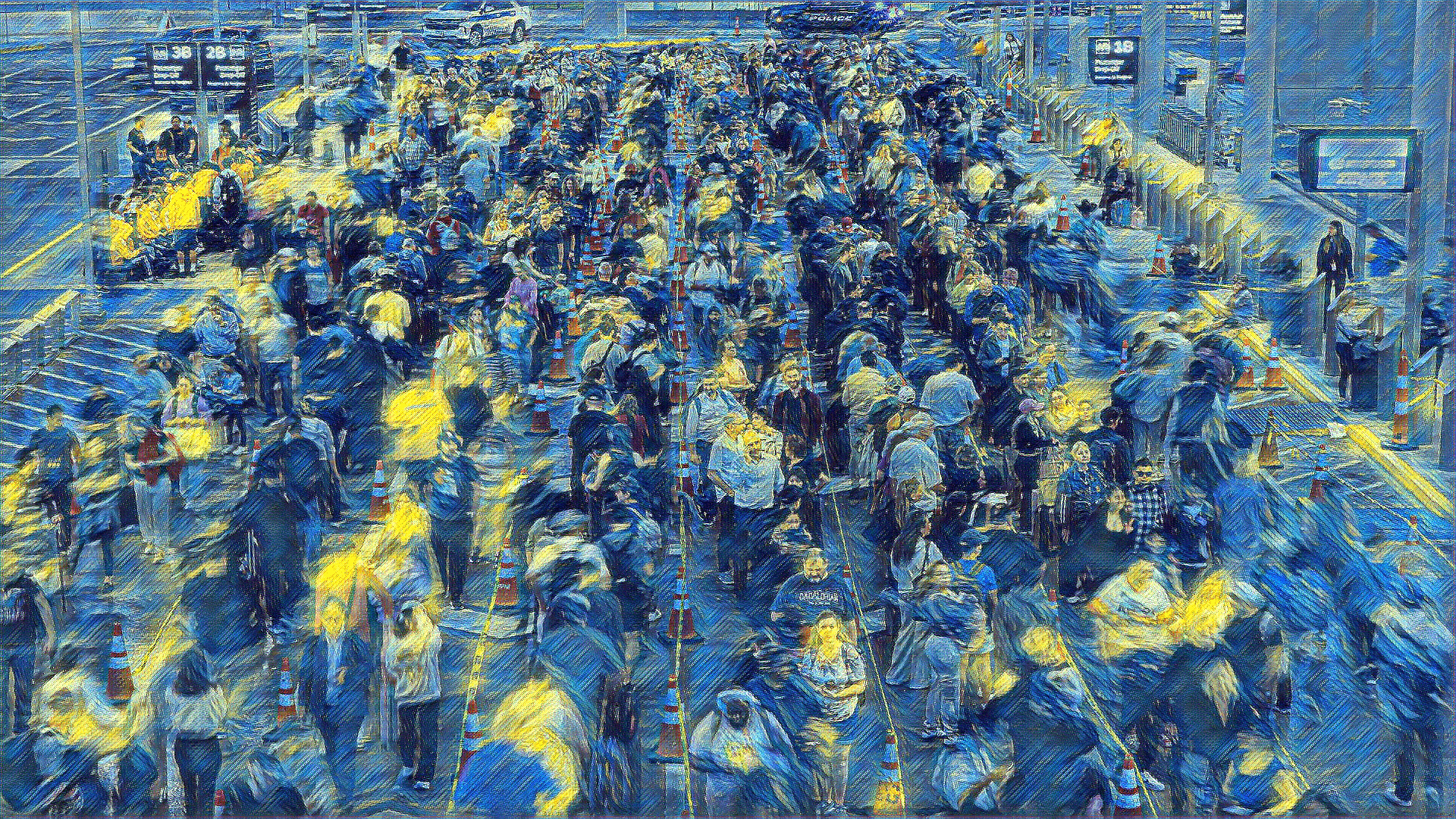
This spring, U.S. travelers face a dual crisis of record-high airfares and severe airport security delays, driven by fuel cost surges from Middle East conflict and a government shutdown impacting TSA operations.
Fuel Price Surge Triggers Fare Hikes
- Aviation fuel prices at major U.S. airports hit $3.98 per gallon, up nearly 60% since the U.S. and Israel attacked Iran on February 28, 2026.
- Middle East airspace closures forced longer, costlier routes for carriers.
- Airlines including United, Cathay Pacific, SAS, and Finnair raised fares or added fuel surcharges; United's CEO Scott Kirby warned of potential 20% airfare increases.
- Deutsche Bank reported transatlantic fares from the U.S. averaging $1,059 with three weeks' advance purchase, a 26.5% weekly rise.
Airlines Balance Demand with Capacity Cuts
- Carriers are adjusting capacity to maintain supply-demand equilibrium.
- United Airlines is reducing off-peak capacity by about 3 percentage points, targeting midweek and redeye flights.
- Delta and American Airlines executives noted strong demand, especially for high-end international leisure travel, but vowed to prune flights if needed.
- Overtourism concerns have emerged in destinations like Japan and Spain due to travel surges.
TSA Staffing Crisis Extends Security Lines
- A partial U.S. government shutdown since February 14 left TSA officers unpaid, prompting nearly 500 quits and elevated call-outs.
- Major airports, including Houston, New York, and Atlanta, saw security wait times exceed three hours, with lines snaking through terminals.
- As of March 27, 2026, TSA PreCheck lines at LaGuardia Airport ran nearly 90 minutes.
- A Senate deal to end the shutdown was pending, with the Trump administration aiming to restore TSA pay by Monday.
Travelers Adapt with Cost and Time Constraints
- Frequent flyer Genevieve Price capped Rome trip spending at $900, reflecting budget limits.
- Nurse Mary Jean Erschen-Cooke considered driving for domestic trips due to rising gasoline and airfare costs.
- Classical pianist Elizabeth Leddy stated that three- to four-hour security lines could deter future flying, making driving preferable.
- Many travelers are reducing flight frequency or switching to automobiles to avoid escalating expenses and delays.