In this article ULVR-GB
MKC
WMT
NES.N-CH Follow your favorite stocks CREATE FREE ACCOUNT
On any given day, 2.5 billion people use Unilever products that span 400 brands. That success has created a huge target on the company's back as the sustainability movement gains more traction with consumers shunning plastic pollution. Sajjad Hussain | AFP | Getty Images
Unilever's plan to merge its food business with spice maker McCormick is the latest move in a sector that's fighting to stay relevant as the growth model that has powered big consumer products companies for decades is eroding. As the post-pandemic pricing supercycle fades and growth in massive markets like China stalls, the industry's titans are moving away from the bigger-is-better conglomerate model, and towards what experts call "targeted scale." The tie-up between Unilever and McCormick highlights a shift in strategy among consumer goods companies that prioritizes dominating specific categories rather than simply amassing a diverse portfolio of unrelated brands. "The rules have changed — and many big [consumer products] companies are facing a relentless drift toward irrelevance," wrote Ernst & Young in its State of Consumer Products Report last year. Size now matters less, and success will be determined by relevance to consumers and capital markets, according to the consultancy firm. Unilever said Tuesday it is selling most of its food business, which includes the Hellmann's mayo and Marmite brands, to Cholula hot sauce owner U.S.-based McCormick for $15.7 billion.
Doubling down
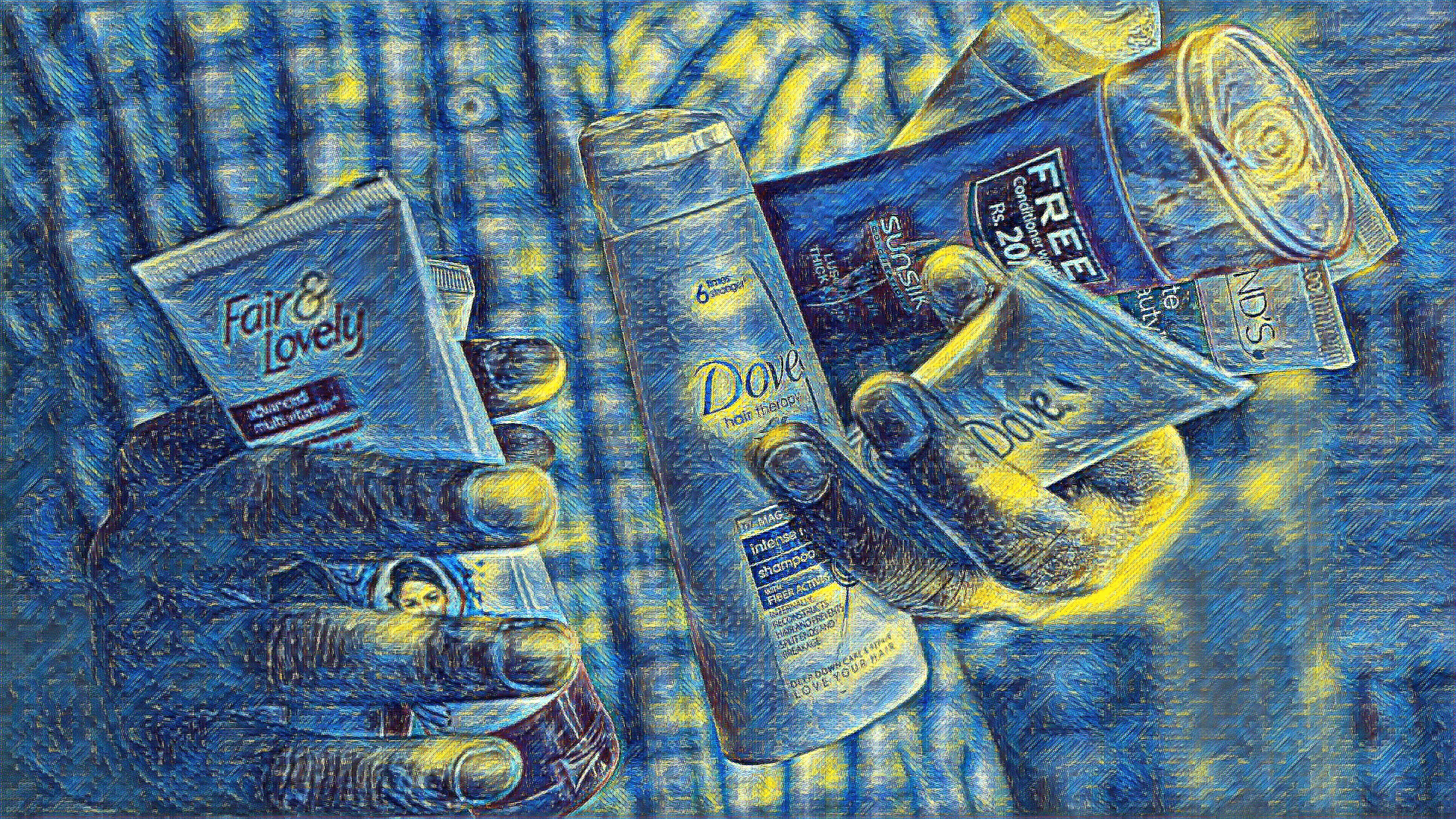
The logic behind recent industry moves is simple: companies are shedding lower-margin, high-complexity units to double down on "power categories." In Unilever's case, that means pivoting toward its high-growth health and beauty care, which includes major labels Dove, Dermalogica, and TRESemmé. The British company also spun off its ice cream business last year, creating the world's largest standalone ice cream company Magnum.
watch now
The world's biggest food and drinks maker Nestle has similarly said it plans to sell its ice cream business to focus on portfolios led by its strongest brands. The consumer goods space has also seen mega deals such as between Kimberly-Clark and Kenvue to bring together brands like Huggies and Kleenex with Band-Aid and Tylenol. The move was a step to pivot to higher-growth, higher-margin businesses, Kimberly CEO Mike Hsu said. In December, European authorities cleared Mars' $36 billion deal to buy Kellanova to create a snack-focused giant. It's about the "right to win" in a specific category, Jens Weng, global consumer and health leader at EY-Parthenon, told CNBC.
The safe bet in question